
Key focus:
- What DSM-5 labels as ‘symptoms,’ cultures may honor them as rituals, spirits, or lost souls.
- Cultural context can turn the unusual into the understandable.
- Some disorders reveal more about collective beliefs than individual illnesses.
- The line between healing and distress often depends on who’s holding the lens.
Around the world, the human mind has always managed to express adversity in peculiar ways, and culture appears to provide it with its own vocabulary. What psychiatry labels these conditions as ‘disorders,’ culture might label them as ‘spirits,’ ‘energies,’ or even ‘lost souls.’ The DSM-5 and ICD-11 try to acknowledge these culturally sanctioned idioms of distress but still put these experiences into tidy clinical boxes, but cultures refuse to be contained.
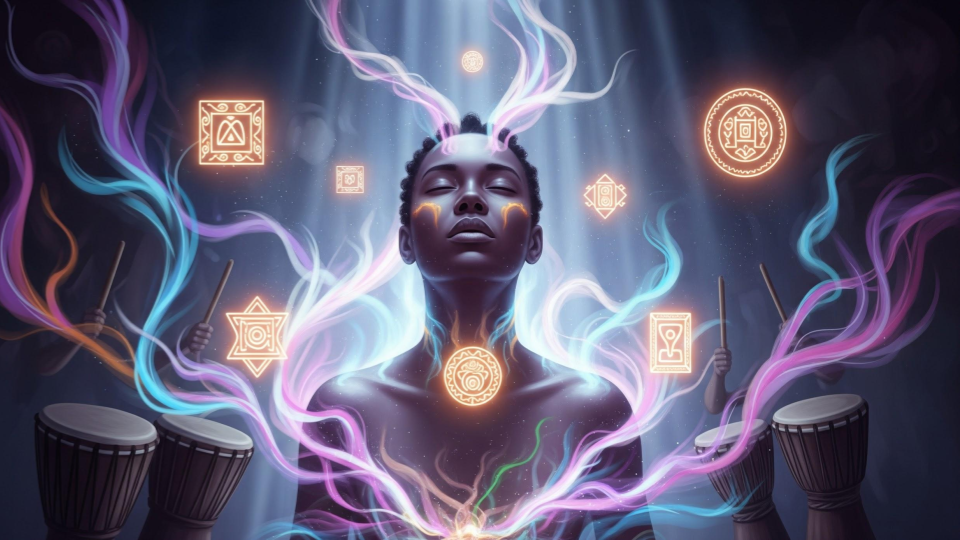
Think about the trace states that are found in voodoo ceremonies, zar rituals, or shamanic healings. To a stranger who comes equipped with a diagnostic manual, they look like dissociative disorders, but within their cultural context they are sacred, therapeutic, and socially approved. Then one has to ask are we seeing pathology, or just the community’s accepted theatre of the sacred?
The same kind of puzzle presents itself when we move into the realm of male fears. In South East Asia, men terrified of their genitals retreating painfully into their bodies term it Koro, whereas in South Asia, young men who believe they are losing potency through semen loss report it as Dhat syndrome. Both illustrate how cultural fears about masculinity expertly translate themselves into medical emergencies of a most local nature.
Latin America provides another dramatic script with ataque de nervios. To the DSM, it appears to be panic disorder; to the people, it is an authentic expression of unendurable feeling, frequently associated with family conflict. Psychiatry might concentrate on symptoms but culture keeps reminding us that acting distressed is as meaningful as being distressed.
While Southeast Asia once supplied us with the notoriety of running amok, spurts of instantaneous, violent outburst, their echoes today appear within recent accounts of mass violence. The guides attempt to encompass it under general types of impulse-control or psychotic disorders, but the cultural origins still whisper along the edges.
And then there is susto, the terror that kidnaps the soul, leaving the body pain-wracked and weary. From a biomedical perspective, it looks like somatic symptom disorder, but its cultural narrative places stress on spiritual disharmony, not simple physical grievance. The same uncertainty applies to shamanic visions: are they psychosis, or prophecy? Psychiatry wavers, culture ordains.
Ultimately, culture-bound disorders remind us of a deeper truth: what one culture might label as madness, another can see as meaning. The beat of human life is always varied-it pulsates to the rhythm of the cultural drum that informs the way we suffer, heal, and try to make sense of the mind.