
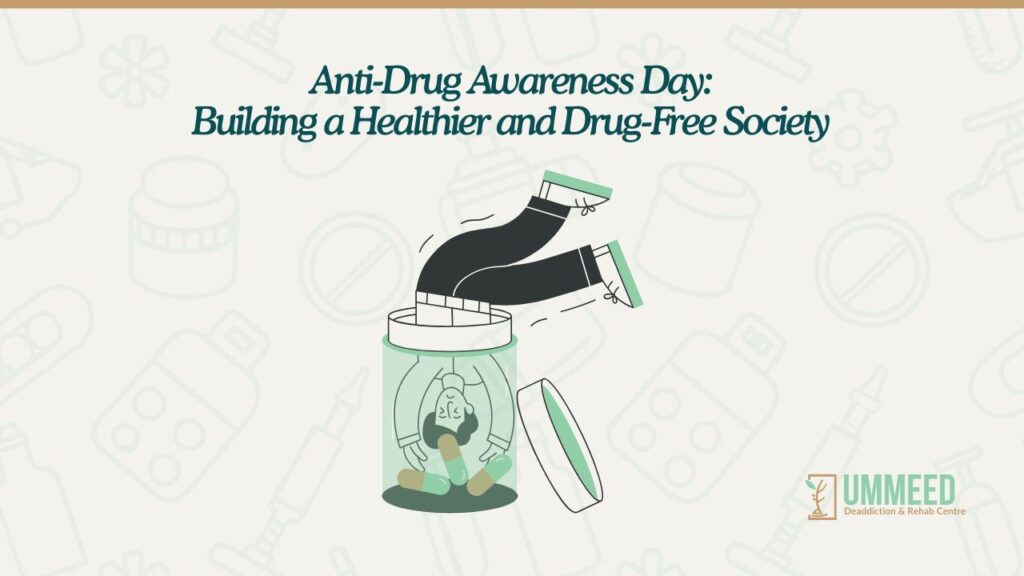
- Awareness and education are the strongest tools for prevention, with parents, teachers, and communities playing a vital role in guiding young people toward healthy choices.
- Positive alternatives such as sports, arts, volunteering, and spiritual activities help build purpose, resilience, and protect against substance abuse.
- Addiction is a treatable condition, and individuals struggling with substance use deserve compassion, professional support, and freedom from stigma to achieve lasting recovery.
Drug addiction is not merely a personal issue; it affects families, friendships, education, employment, and the overall well-being of communities. Many people, especially young individuals, begin experimenting with drugs due to curiosity, peer pressure, stress, or the desire to escape emotional pain. What often starts as a temporary experience can gradually develop into dependence, leading to severe physical, psychological, social, and financial consequences.
Substance abuse can damage vital organs, impair judgment, reduce academic and professional performance, and increase the risk of accidents and violence. It also contributes to mental health problems such as anxiety, depression, paranoia, and, in severe cases, psychosis. Families frequently experience emotional distress, broken trust, and economic hardship as they struggle to support their loved ones.
Rather than focusing solely on harm reduction or supply reduction, greater emphasis should be placed on demand reduction. Awareness and education remain the strongest tools in preventing drug use. Parents, teachers, community leaders, and healthcare professionals play a crucial role in guiding young people and helping them make informed decisions. Open conversations about the dangers of drugs, healthy coping mechanisms, and the importance of seeking help can prevent experimentation from developing into addiction.
Equally important is the need to replace harmful habits with positive alternatives. Participation in sports, arts, volunteering, religious and spiritual activities, and community service provides young people with a sense of purpose, belonging, and achievement. Strong family bonds and supportive friendships also act as protective factors against substance abuse.
It is essential to remember that addiction is a treatable condition and individuals struggling with substance use deserve compassion, understanding, and access to professional help. Rehabilitation centres, counselling services, support groups, and community programs offer pathways to recovery and reintegration into society. Encouraging people to seek assistance without fear of stigma is vital in promoting long-term recovery.
On this Anti-Drug Awareness Day, let us take this as an important reminder to protect individuals, families, and communities from the vicious cycle of substance abuse.
Together, through education, empathy, and collective responsibility, we can empower people to lead meaningful, productive, and drug-free lives. A healthier society begins with informed choices and a shared commitment to saying no to drugs and yes to life.