
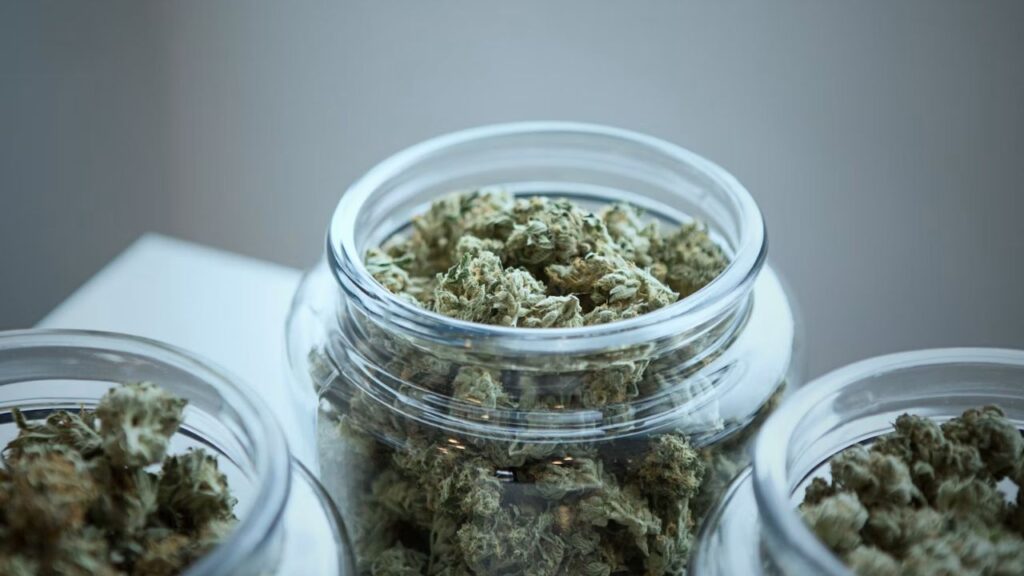
Cannabis sativa is one of the oldest cultivated crops, with a history of use spanning over 10,000 years. The plant produces more than 500 different chemical compounds known as cannabinoids, each having different effects. Together with caffeine, tobacco and alcohol it is one of the most widely consumed drugs in the world.
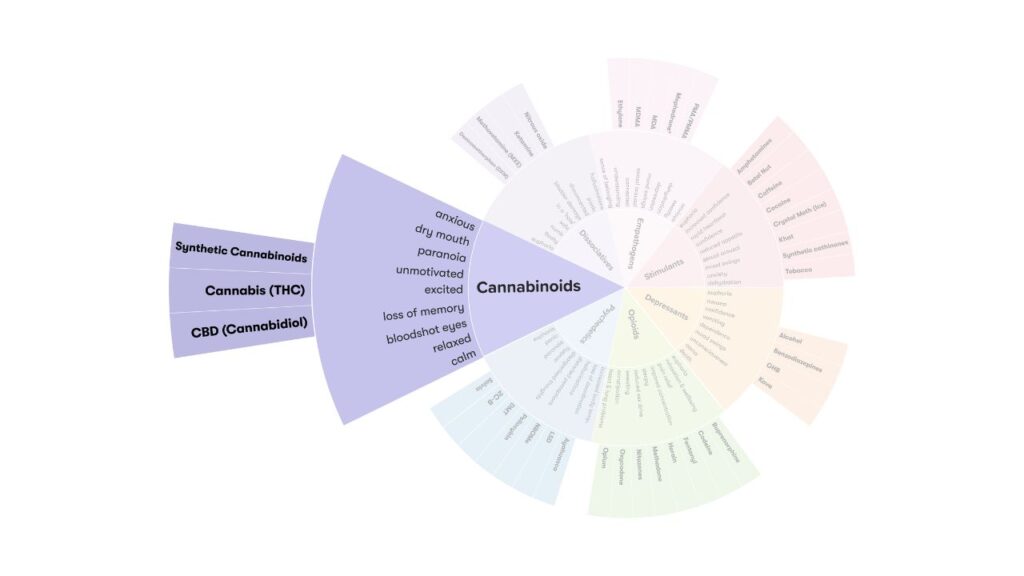
Marijuana is derived from the dried leaves and buds of the Cannabis sativa plant. It contains more than 100 cannabinoids with the most common being tetrahydrocannabinol (THC) and cannabidiol (CBD). THC is the psychoactive part of marijuana that makes one feel “high” while CBD has the opposite effect.
The Food and Drug Administration (FDA) classifies marijuana as a Schedule I substance. This means that it is currently not accepted for medical use and has a high potential for addiction.
However, the FDA has approved drugs containing certain purified substances derived from marijuana. Epidiolex, which contains a purified form of CBD was approved for the treatment of seizures associated with Lennox-Gastaut Syndrome or Dravet Syndrome – two severe forms of epilepsy. Similarly, Marinol and Cesamet (contains synthetic THC) is prescribed to patients undergoing the effects of chemotherapy – mainly nausea and vomiting.
Over the years the THC content of marijuana has changed significantly. From 4% in the 1980s to 17-28% as of 2017 and can be even higher (up to 95%) in concentrated products. The increased potency has been associated with a higher risk of addiction and mental health problems.
Cannabis-use disorder
Approximately 3 in 10 people who use cannabis have cannabis-use disorder. Those who begin using during adolescence and are frequent takers of the drug are at higher risk of having this disorder. It exists on a spectrum of mild, moderate or severe.
The progression to cannabis use disorder follows a pattern of:
Experimental use —-> Occasional use —–> Heavy use —–> Substance abuse disorder
It typically involves an overpowering desire to use cannabis, increased tolerance to cannabis, intense withdrawal symptoms once you stop using.
Common Signs
- Taking cannabis in larger amounts and for a longer amount of time than you intended.
- Unsuccessful efforts in controlling cannabis use.
- Unable to fulfill responsibilities at work, school or home.
- Giving up on social, occupational or recreational activities because of cannabis use.
- Using cannabis during risky situations (like when driving a vehicle).
- Continuing cannabis use despite its physical and psychological toll
Diagnosis and Treatment
As per the American Psychiatric Association’s Diagnostic and Statistical Manual of Mental Disorders (DSM-5), one must have at least two signs for over a year to be diagnosed.
Treatment mainly includes
Detoxification: You stop taking cannabis, allowing it to leave your body. Depending on the severity, your healthcare provider might recommend tapering it off to lessen the effects of withdrawal. You can go through detoxification in both outpatient and inpatient settings, both offered here at Ummeed Deaddiction and Rehabilitation Centre.
CBT and DBT: For CUD, CBT involves encouraging change and education about treatment and preventing relapse. Dialectical behaviour therapy is effective for people with difficulty regulating their emotions.
Schizophrenia
Beyond the “high” associated with marijuana, many users experience paranoia or hallucinations. This is because of the active ingredient, Tetrahydrocannabinol (THC). THC binds to receptors in the brain and sets off a chain of reactions in brain cells. These effects typically wear off with the high but in some cases can last longer resulting in what is known as cannabis-induced psychosis.
For people at high risk, cannabis use can interfere with brain development, leading to schizophrenia, a serious mental illness that causes hallucinations, delusions and paranoia that can last for years. A Finnish study found that close to half of 18,000 people with cannabis-induced psychosis were later diagnosed with schizophrenia. Other studies confirm that regular use, especially of high-potency products, increases the risk of developing schizophrenia by four times.
The adolescent brain responds to cannabis differently than the adult brain. The age of use correlates directly with the age of onset of psychosis, increasing the chances of psychosis by four times among the heaviest users. Younger and more frequent users are at higher risk of cognitive decline.
There is a high presence of psychotic disorders among cannabis users, and cannabis is also believed to alter the incidence, age of onset, course and presentation of the disease.
The acute effects of THC mimics the positive, negative and cognitive symptoms of schizophrenia along with resulting in psychosis- like symptoms in non-psychotic persons.
Cannabis use after a psychotic episode is likely to result in a poor prognosis because of low adherence to antipsychotics seen in cannabis users. While heavy cannabis use after a schizophrenia diagnosis can lead to frequent relapses with worsening of symptoms requiring extended hospitalization even in patients stable on antipsychotics.
The risk is also greater with high-potency cannabis varieties, making it crucial for users to buy from dispensaries that clearly label the THC levels below 15%. Regular use of higher-potency strains significantly increases the likelihood of inducing psychosis.
Cannabis is a potent drug with serious physical and psychological effects. While the high may thrive temporarily, the losses outweigh the relief. Those struggling with cannabis use disorder and a comorbid mental health disorder face challenges in their daily lives, finding it difficult to manage their condition.
Take control of your addiction before it controls you. Help is near with Ummeed Deaddication and Rehabilitation Centre offering comprehensive and personalized support on your journey to recovery.