
Key Takeaways
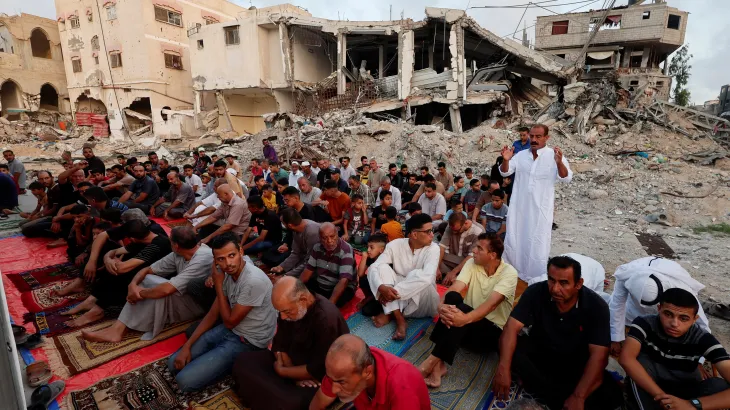
- 1. In shattered places where bombs fall, faith often rises. Spirituality becomes oxygen for the soul when the world stops making sense.
- 2. In war, belief isn’t an escape; it’s survival. Prayer, meditation, sacred verses, and rituals hold hearts together when reality tears life apart.
- 3. Research shows hope born from faith softens trauma’s wounds, lowering anxiety, PTSD, and despair in conflict-torn communities.
- 4. Where homes crumble, spiritual communities rebuild belonging. Shared prayers and stories remind people they are not breaking alone.
- 5. Spirituality doesn’t erase fear or loss. It gently whispers strength into broken moments, helping minds survive when bodies must endure.
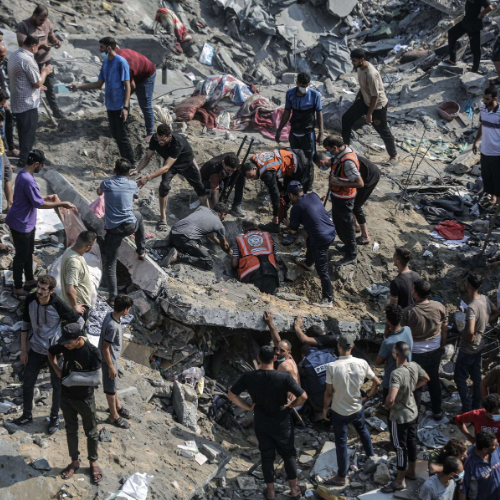
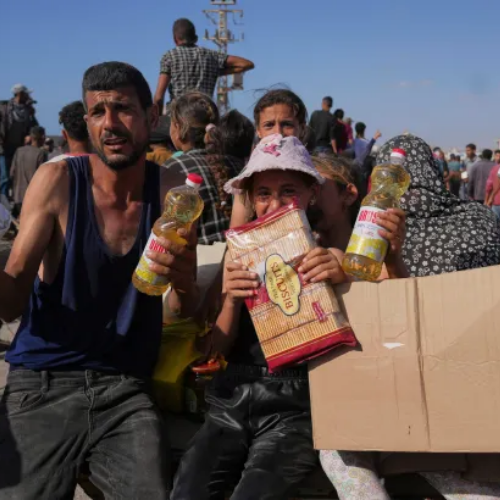
In places shattered by war, where safety, homes, and loved ones can be lost in moments, the human spirit often searches for meaning and strength beyond the physical world. In such extreme environments, spirituality becomes more than belief; it becomes a lifeline. For many, faith practices, prayer, meditation, and a sense of connection to something larger than the self provide emotional grounding when everything else feels unsteady. Spirituality helps people find hope, purpose, and resilience in circumstances that seem unlivable.
Psychologically, spirituality offers a coping framework. When trauma disrupts life’s assumptions, spiritual beliefs can restore a sense of order and control. According to a study in the Journal of Traumatic Stress (Pargament et al., 2011), individuals who engage in positive religious coping, such as trust in a higher power or finding meaning in suffering, show better resilience and lower symptoms of post-traumatic stress disorder (PTSD). Similarly, research with Syrian war refugees published in Frontiers in Psychology (2020) showed that religious and spiritual practices significantly improved emotional regulation and reduced anxiety and depression.
Spiritual communities also provide powerful social support. In war-affected regions, shared rituals, collective prayers, and cultural traditions remind people they are not alone in their suffering. This sense of belonging nurtures emotional stability and combats the deep isolation trauma can bring. The World Health Organization highlights spiritual well-being as a protective factor in mental health recovery during humanitarian crises, emphasizing its role in fostering hope and social connection.
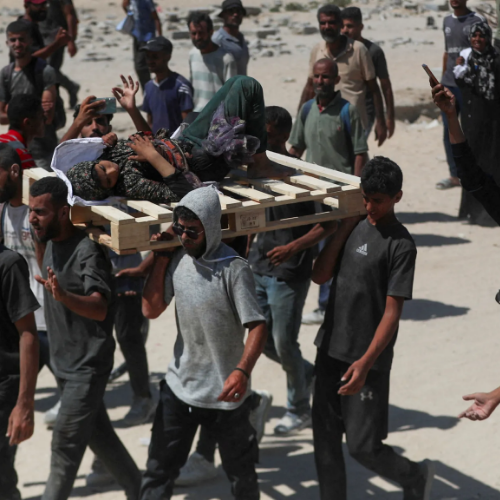
Ultimately, spirituality does not erase pain or loss. But it offers comfort in chaos, dignity amidst destruction, and the courage to imagine life beyond violence. In war zones, where uncertainty is constant and grief is heavy, spirituality becomes a quiet but powerful anchor helping individuals survive not just in body, but in heart and mind.
Links to cited research:
1. “Positive and Negative Religious Coping Styles as Prospective Predictors of Well-Being in African Americans” – full text available: https://www.ncbi.nlm.nih.gov/pmc/articles/PMC6261495/ PMC
2. “Religious/Spiritual Coping, Emotion Regulation, Psychological Well-Being” – published article: https://journals.sagepub.com/doi/full/10.1177/00916471231223920 journals.sagepub.com
3. “Meaning and resilience in war-affected populations during and after armed conflict” (2025) – https://www.frontiersin.org/journals/psychiatry/articles/10.3389/fpsyt.2025.1678205/full
Well written! Can’t agree more!! Let’s hope that all the wars come to a halt across the globe.