
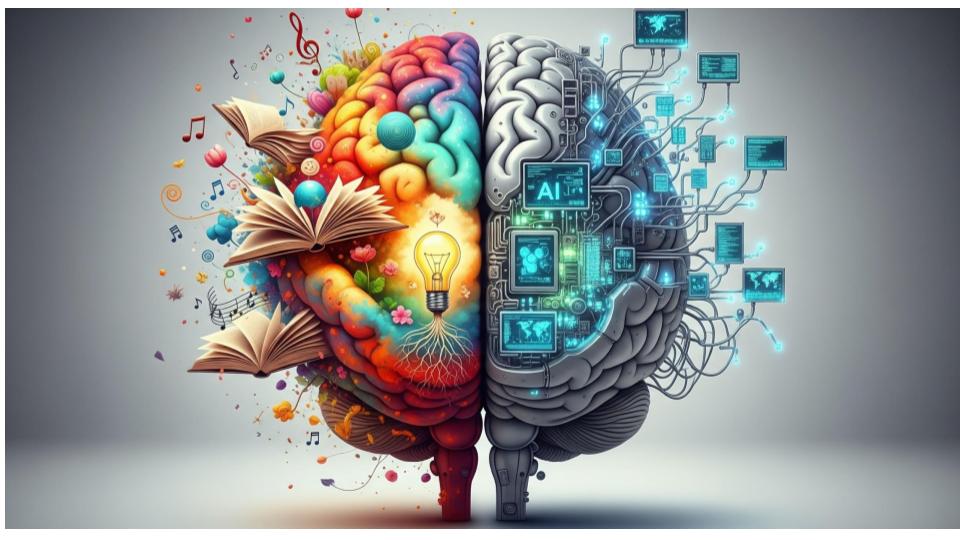
Hai Dil Ke Liye Mout Machinon Ki Hukumat
Ehsas-e-Marawwat Ko Kuchal Dete Hain Aalaat
Death to the heart, machines stand sovereign,
Engines that crush all sense of human kindness.
Key Pointers:
- *Too much dependence on AI can weaken our ability to retain information and make it difficult to process information.
- *True learning happens when we critically evaluate ideas and facts, rather than simply accepting readymade answers.
- *Creativity often comes from trial, error, and reflection.
- *AI can create a passive mindset, which may hamper decision-making skills.
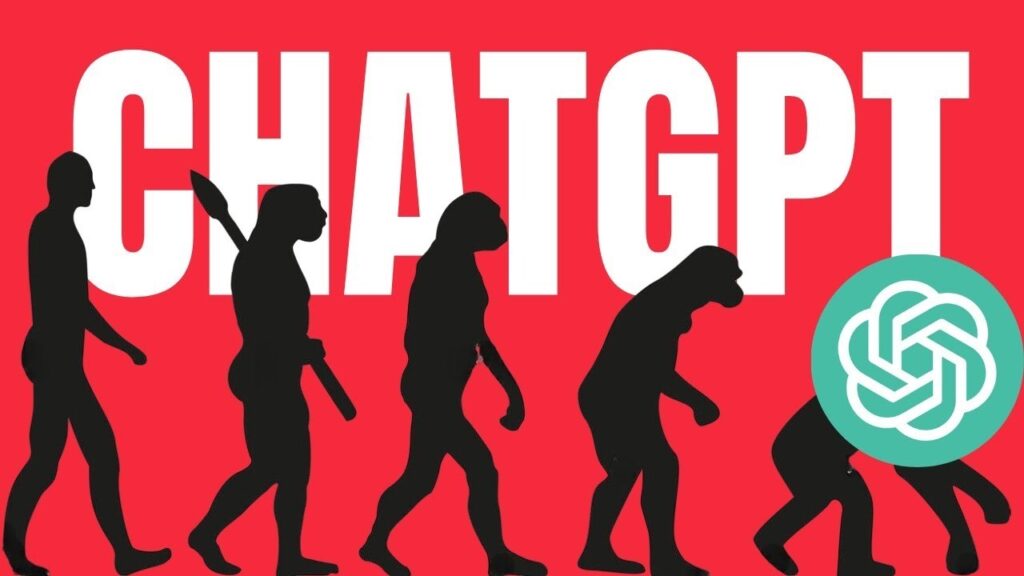
In this digital age, tools like ChatGPT and artificial intelligence have become part of daily life. They can write essays, solve problems, translate languages, write a software code, generate or edit a visual content and even provide advice within seconds. For many people, this feels like a great advantage. Assignments are finished quickly, information is at their fingertips, and tasks that once required hours of work can now be completed in minutes. At first, this feels exciting and helpful. While these benefits are clear, there is also a hidden cost. Over-reliance on AI can slowly affect the way the human brain functions.
One of the most noticeable effects is on memory. When people depend too much on AI for answers, they stop practicing the skill of remembering and recalling information. Instead of processing and storing facts or ideas in the mind, they tend to search again and again. Over time, this can weaken our memory and reduce the ability to hold knowledge without constant support from technology.
Another area that is affected is critical thinking. AI often provides readymade answers, and it is tempting to accept them without much questioning. But true learning happens when people think, analyse, and connect ideas on their own. Without this effort, the habit of deep thinking begins to fade. This can also reduce creativity. Creativity usually grows when individuals try, fail, and experiment with new ideas. If every solution comes directly from AI, the space for imagination and originality becomes smaller.
Decision-making skills can also decline. AI can suggest solutions, but when people start relying on those suggestions too much, they may lose confidence in their own judgment. This dependence can create a passive mindset, where individuals wait for guidance rather than developing their own problem-solving abilities.
It is important to understand that AI itself is not harmful. In fact, it is a powerful tool that can improve learning, save time, and open new opportunities. The problem comes only when it is used as a replacement for thinking, instead of as a support. Just like a calculator is useful in mathematics but cannot replace understanding of numbers, AI should be used to assist, not to take over the role of the human mind.
The human brain grows stronger with practice and efforts. Reading, writing, solving problems, and reflecting are exercises that develop our cognitive functioning. Over-reliance on AI might make life easier, but it can weaken our memory, thinking, creativity, judgment and other cognitive functions.
Should not be a dependent on ChatGPT