
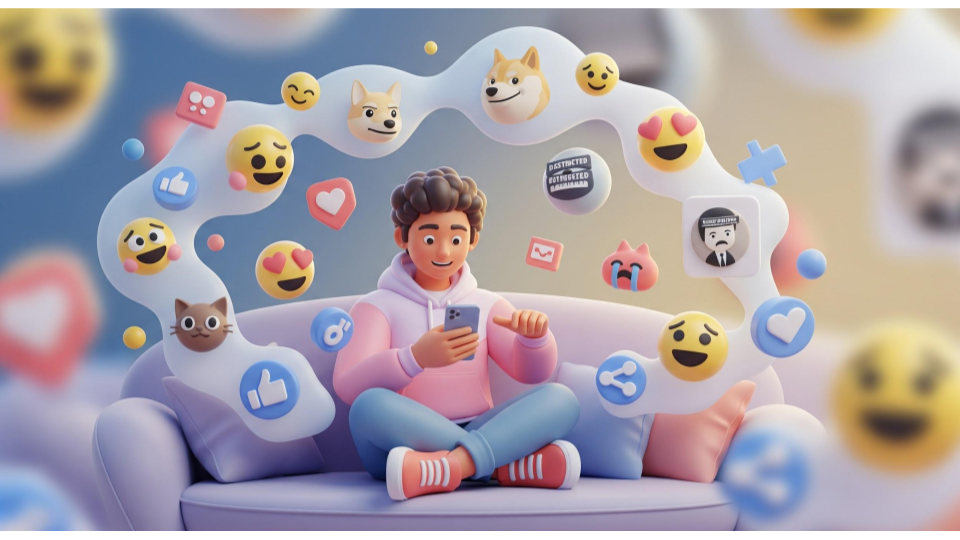
1. Memes and Online humour have evolved from simple entertainment to a means of emotional survival for many in this digital age.
2. Memes foster a sense of belonging and solidarity, especially during collective crises.
3. Humour also serves as an adaptive defence mechanism that helps individuals manage stress and anxiety.
4. While memes can enhance emotional resilience, overreliance on humour may lead to emotional avoidance and hinder genuine coping.
In the digital age, humour has evolved far beyond traditional jokes or comedy shows. Social media platforms have given rise to memes and online humour content as central forms of expression. What began as light entertainment has increasingly become a tool for emotional survival. Memes which are short, shareable pieces of visual or textual humour, serve not only as social commentary but also as psychological coping mechanisms for individuals navigating stress, uncertainty, and complex emotions in modern life.
Memes are inherently common idea. They rely on shared cultural references, collective frustrations, and the ability to laugh at one’s circumstances. This shared humour fosters a sense of belonging, particularly during periods of social isolation or distress. During the COVID-19 pandemic, for instance, memes about quarantine fatigue, online classes, and the absurdity of lockdown life flooded the internet. Although light hearted, these memes provided comfort by validating collective struggles and reducing feelings of loneliness. Laughter became a language of solidarity.
From a psychological standpoint, humour is an adaptive defence mechanism. Psychoanalytic Theory views humour as a way of coping with anxiety and distress, allowing individuals to confront painful realities with a sense of detachment. In the context of online humour, this detachment manifests through ironic memes, self-deprecating jokes, and absurdist content that transform discomfort into laughter. For many young people, especially those facing academic, economic, or existential pressures, humour provides a buffer against overwhelming emotions. Memes allow them to acknowledge hardship without succumbing to despair.
Moreover, memes act as a form of emotional regulation. Scrolling through humorous content can trigger dopamine release, momentarily improving mood and providing a sense of relief. This effect is amplified when users can re-edit, comment, and share memes, turning passive consumption into creative expression.
However, the coping potential of memes also has limits. Excessive reliance on humour can lead to avoidance, where serious emotions are masked rather than addressed, and preventing individuals from addressing underlying distress. Additionally, certain online humour communities may perpetuate sceptical and distrustful attitude toward others or negativity under the guise of “dark humour.” Thus, while memes can be therapeutic, they are most effective when balanced with genuine reflection and emotional openness.
Memes and online humour have emerged as vital psychological tools in the digital era. They allow individuals to process stress collectively, find humour in hardship, and connect through shared human experiences. While not a substitute for formal coping strategies or professional support, memes serve as an accessible and culturally relevant means of maintaining emotional resilience. In a world where distress often spreads as quickly as information, humour remains one of humanity’s most enduring and adaptive shields.
The article carries weight. It has tremendous impacting effect on all.
Humour is anytime remedy for distress.
It is rightly said that, LAUGHTER IS THE BEST MEDICINE.