
Key Takeaways
- Delusions alter interpretation, not intelligence
- Persecutory delusions center on threat; referential delusions center on meaning
- Hypervigilance and over-interpretation maintain belief strength
- Emotional validation is more effective than confrontation
- Insight develops gradually through safety and trust
- Recovery focuses on reducing distress, not forcing belief change
Just as the internet can turn a mild symptom into a terrifying diagnosis, the human mind can turn neutral experiences into deeply convincing threats. In persecutory and referential delusions, reality itself feels unsafe not because danger is present, but because the mind insists it is.
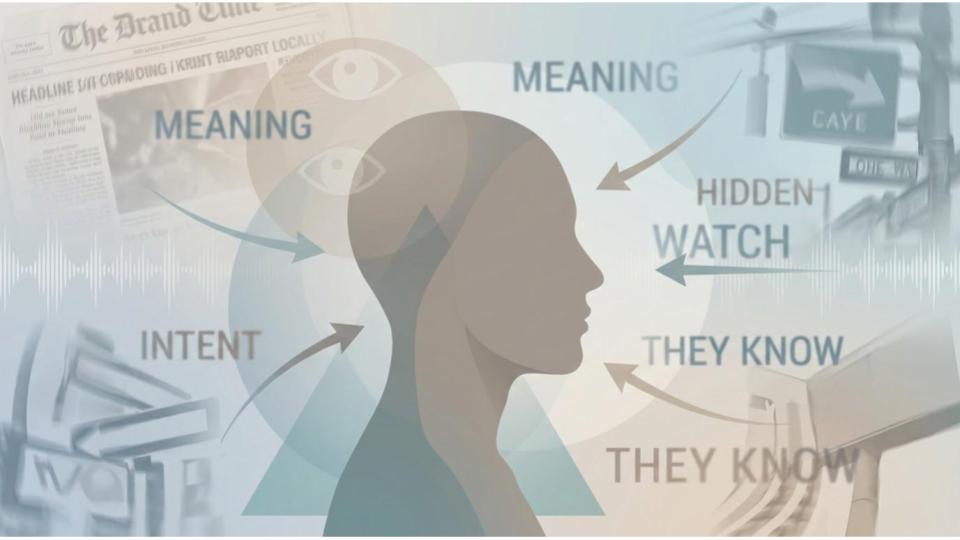
Persecutory delusions are marked by the belief that one is being harmed, watched, plotted against, or intentionally targeted. Every day situations begin to feel unsafe. A conversation between strangers may feel suspicious, a minor inconvenience may feel deliberate, and neutral behavior from others may be interpreted as hostile intent. The individual often lives in a constant state of alertness, scanning for danger and preparing for harm that feels inevitable.
Referential delusions involve the belief that external events carry special meaning directed at the individual. News reports, advertisements, songs, gestures, or social interactions are experienced as coded messages. What is meant for the general public feels personally addressed. Over time, the boundary between coincidence and intention dissolves, leaving the person overwhelmed by a world that seems to revolve around them in hidden ways.
Both forms of delusion are fueled by a deep discomfort with uncertainty. The mind seeks explanations to make sense of confusing internal experiences, and once a belief takes shape, it becomes self-reinforcing. Each perceived “sign” strengthens conviction, while contradictory evidence is dismissed or reinterpreted. These beliefs are not held out of stubbornness, but because they provide a sense of structure and meaning in an otherwise distressing inner world.
For clinicians, the challenge lies in responding without invalidation. Directly confronting the belief can increase mistrust and emotional withdrawal. A more effective approach is to acknowledge the distress behind the belief while gently exploring alternative interpretations over time. When patients feel emotionally understood, they become more open to reflection and reality testing.
Treatment often combines medication, psychotherapy, and consistent therapeutic support. As emotional intensity reduces and trust develops, insight can slowly return. The world begins to feel less hostile, less personally charged, and more predictable.
Delusions are not chosen narratives. They are the mind’s attempt to protect itself from overwhelming confusion. Healing begins with patience, empathy, and the restoration of safety.
An amazing article. Almost a very first one, till date that lights up a certain category of mental dilemma, due to a certain thought process, which if not understood may create havoc for an affected individual and those around him / her.
Thank you very much
An affected individual