
Key focus:
- 1. PMDD turns selfhood into a part-time job, one week you’re zen, the next you’re starring in an emotional drama you didn’t audition for.
- 2. The monthly identity flip isn’t madness; it’s hormones amplifying truths you usually whisper to yourself.
- 3. Emotional chaos can be decoded, not feared, think of it as your psyche’s unfiltered performance review.
- 4. The goal isn’t to exile your “PMDD self” but to let both versions coexist—because authenticity isn’t about being steady, it’s about being whole.
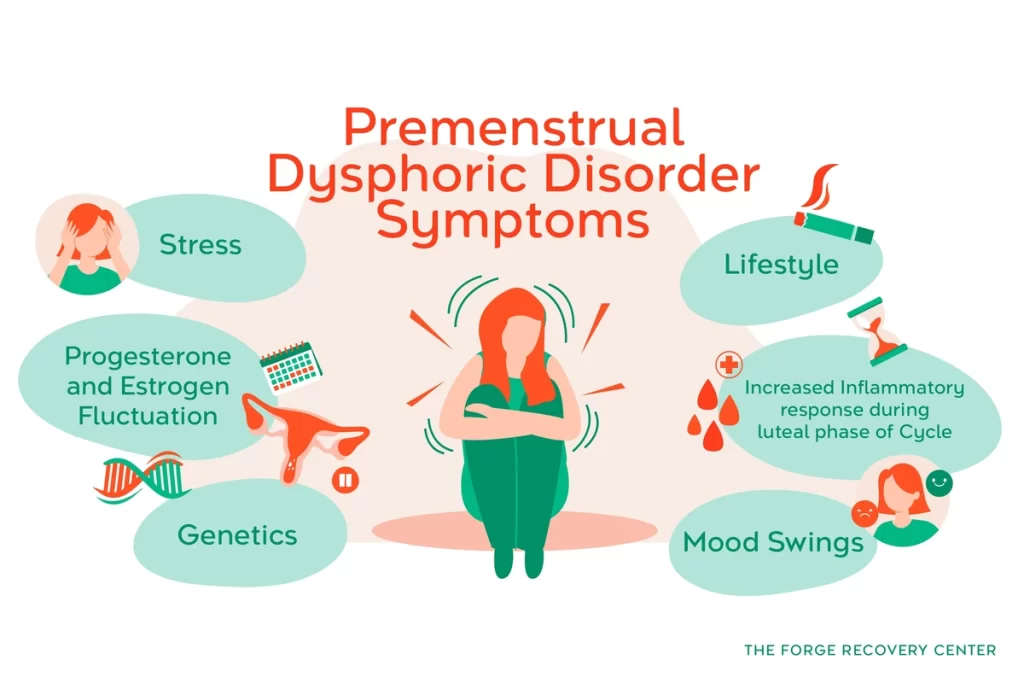
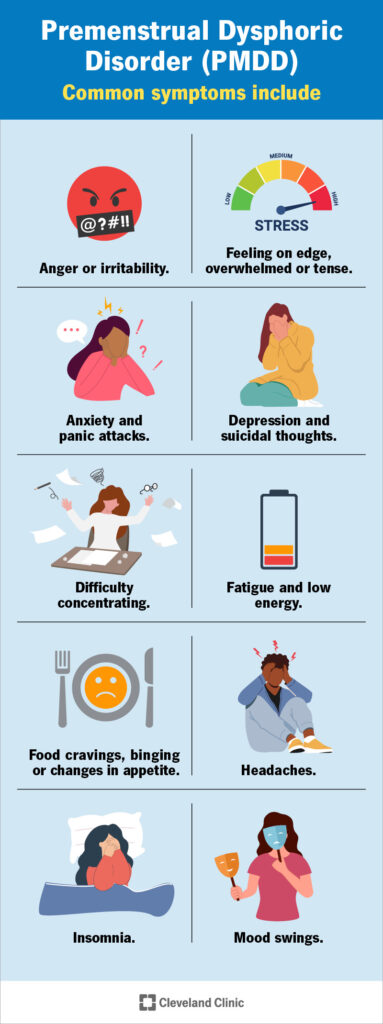
There’s a peculiar sort of existential whiplash that comes with Premenstrual Dysphoric Disorder (PMDD). One half of the month, you’re rational, grounded, maybe even charming. The other half, your brain hands the mic to a far less diplomatic version of yourself who feels everything too loudly and questions every life choice you’ve ever made. It’s not a personality split, it’s hormonal chaos wearing your face. The dissonance can be deeply unsettling. How can both versions be “you”? When your emotional thermostat breaks every few weeks, it’s hard not to wonder which self is real.
Yet, the truth is less about which self is authentic and more about integration. Both versions carry truth: the calm one that manages life smoothly and the fiery one that exposes what you’ve been ignoring. Instead of viewing the luteal phase as a hostile takeover, it can be viewed as a brutally honest mirror- unfiltered, perhaps, but not altogether untrue. The test is learning to greet that version of yourself with kindness, not terror. It’s emotional bilingualism: communicating fluently in both cool logic and hormonal chaos without compromising your core sense of self.
Self-consistency doesn’t mean emotional sameness; it means recognizing that even your most chaotic self is still you. The goal isn’t to silence her but to understand what she’s trying to communicate when the hormones turn up the volume. Maybe she’s pointing at unmet needs or emotional clutter you’ve neatly avoided the rest of the month.
Premenstrual Dysphoric Disorder might distort perception, but it doesn’t erase authenticity. When both sides of you are at the same table, something miraculous occurs, you cease to struggle against the calendar and begin working with it. You can schedule compassion, plan rest in place of guilt, and create habits that celebrate your cyclical nature. It’s not a matter of “curing” the identity shifts but of becoming friends with them. Because the actual identity crisis isn’t two selves, it’s assuming only one of them gets to live.