
mental health awareness

Men’s Mental Health Awareness Month: Breaking the Silence and Building Support

Men’s Mental Health Awareness Month is an important opportunity to highlight the mental and emotional challenges men face and to encourage open conversations around well-being. Mental health affects everyone, regardless of age, background, or gender, yet many men continue to struggle in silence due to stigma, societal expectations, and fear of judgment. For generations, men

Men’s Mental Health Awareness Month: Breaking the Silence and Building Support Read More »

Self-Harm Explained: Warning Signs, Causes, and Ways to Help Someone Heal

Key focus Self-harm is a sign of emotional distress, not attention-seeking. It reflects underlying pain, trauma, or unmet emotional needs. While not always linked to suicidal intent, self-harm significantly increases future suicide risk, making early understanding and support crucial. It often serves as a way to cope with overwhelming feelings or numbness, offering temporary relief

Self-Harm Explained: Warning Signs, Causes, and Ways to Help Someone Heal Read More »

Thought Insertion, Withdrawal & Broadcasting: Understanding Delusions and Loss of Thought Ownership

Key focus: Humans usually experience a natural sense of ownership over their thoughts, but in certain psychological conditions this boundary between self-generated and external thoughts can become disrupted. When the brain’s internal ownership or agency system misfires, individuals may experience phenomena such as thought insertion (thoughts placed in the mind) or thought withdrawal (thoughts being

Thought Insertion, Withdrawal & Broadcasting: Understanding Delusions and Loss of Thought Ownership Read More »

Erotomanic Delusions Explained: A Clinician’s Guide to the Psychology of Certainty and Romantic Fixation

Key focus: Erotomanic delusions are not romance gone wrong but certainty gone rogue, where emotions stop reporting facts and start issuing verdicts. Silence, politeness, and digital visibility become suspiciously meaningful, proving that ambiguity is the delusion’s favorite accomplice. Beneath the surface, the belief often repairs shame, restores power, and offers emotional dignity- less about desire,

Erotomanic Delusions Explained: A Clinician’s Guide to the Psychology of Certainty and Romantic Fixation Read More »

Parasocial Grief Explained: Why a Celebrity’s Death Can Feel Like a Personal Loss

Key Takeaways Parasocial grief occurs when people mourn a celebrity as if they lost someone personally known, due to one-sided emotional These bonds form through long-term exposure to celebrities, making them feel familiar and emotionally Parasocial grief can mirror real grief, triggering emotions like shock, sadness, emptiness, and nostalgia. When news breaks of a celebrity’s

Parasocial Grief Explained: Why a Celebrity’s Death Can Feel Like a Personal Loss Read More »

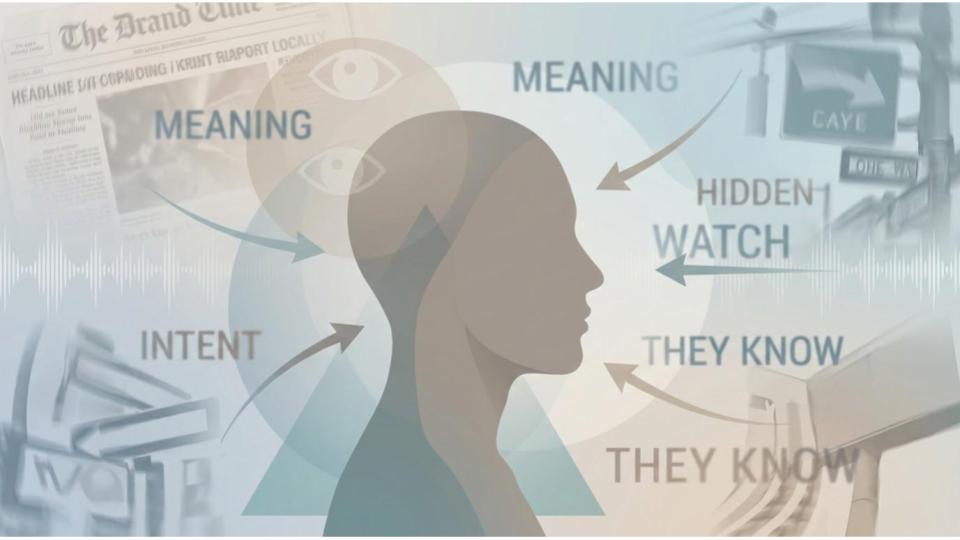
Persecutory and Referential Delusions Explained: A Clinician’s Guide to Understanding False Beliefs

Key Takeaways Delusions alter interpretation, not intelligence Persecutory delusions center on threat; referential delusions center on meaning Hypervigilance and over-interpretation maintain belief strength Emotional validation is more effective than confrontation Insight develops gradually through safety and trust Recovery focuses on reducing distress, not forcing belief change Just as the internet can turn a mild symptom

Persecutory and Referential Delusions Explained: A Clinician’s Guide to Understanding False Beliefs Read More »

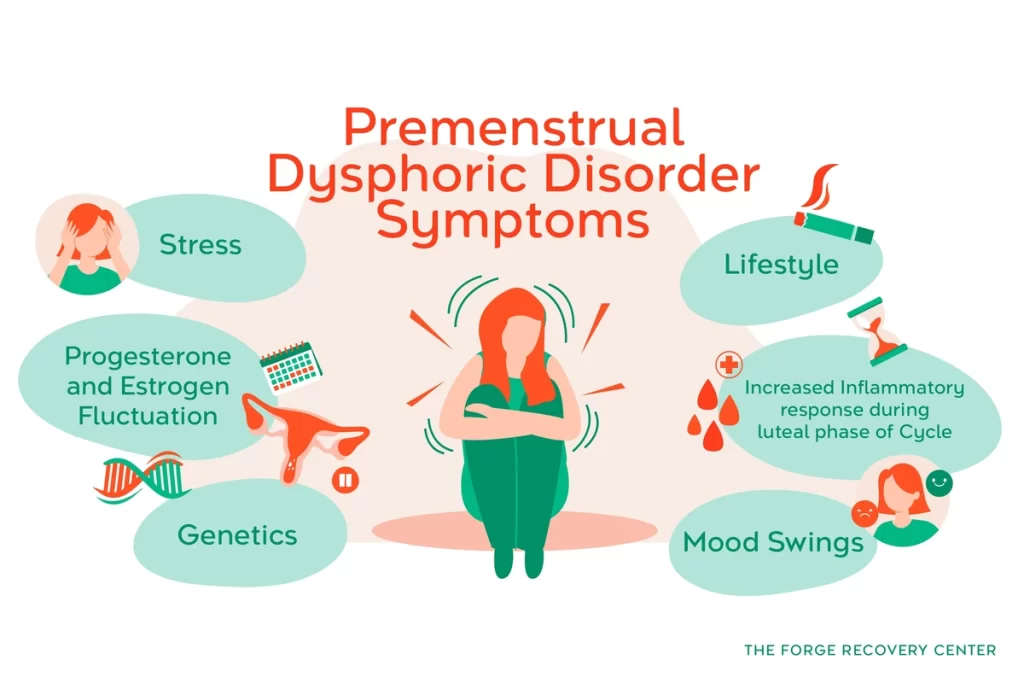
PMDD and Identity: Why You Feel Like a Different Person Every Month

Key focus: 1. PMDD turns selfhood into a part-time job, one week you’re zen, the next you’re starring in an emotional drama you didn’t audition for. 2. The monthly identity flip isn’t madness; it’s hormones amplifying truths you usually whisper to yourself. 3. Emotional chaos can be decoded, not feared, think of it as your

PMDD and Identity: Why You Feel Like a Different Person Every Month Read More »

Borderline Personally Disorder (BPD) Awareness Week: Understanding, Supporting, and Empowering Lives

Key Takeaways Borderline Personality Disorder (BPD) is a complex mental health condition that affects emotions, relationships, and self-image. People living with BPD often experience intense mood swings, fear of abandonment, impulsive behaviors, and difficulty maintaining stable relationships. Despite its prevalence, BPD remains widely misunderstood, and those affected are often unfairly judged or labeled. BPD Awareness

Borderline Personally Disorder (BPD) Awareness Week: Understanding, Supporting, and Empowering Lives Read More »

 Why “I’m fine” isn’t always fine 

Key takeaway: • “I’m fine” often masks unspoken struggles in men due to fear of burdening others. • Men are socialized to suppress emotions, leading to silent suffering and isolation. • Depression in men may not look like sadness—it often shows up as irritability, fatigue, or disconnection. • Opening up even slightly can help identify

 Why “I’m fine” isn’t always fine  Read More »