
neuroscience

Aphantasia Explained: What It Is, How the Mind Works Without Mental Images, and Why It’s Not a Disorder

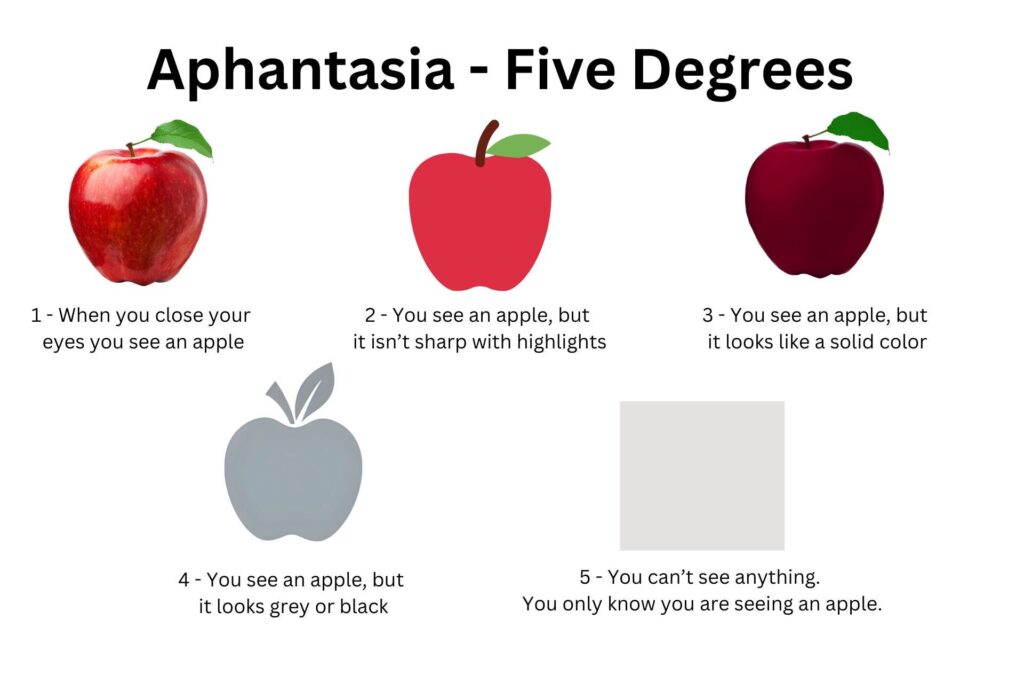
Key Pointers: Aphantasia is the inability to form mental images, affecting how people imagine or recall It is not a disorder but a natural variation in brain People with aphantasia think conceptually rather than visually and can still be highly creative and capable in various Imagine being asked to picture a beach, the soft sand […]
Aphantasia Explained: What It Is, How the Mind Works Without Mental Images, and Why It’s Not a Disorder Read More »

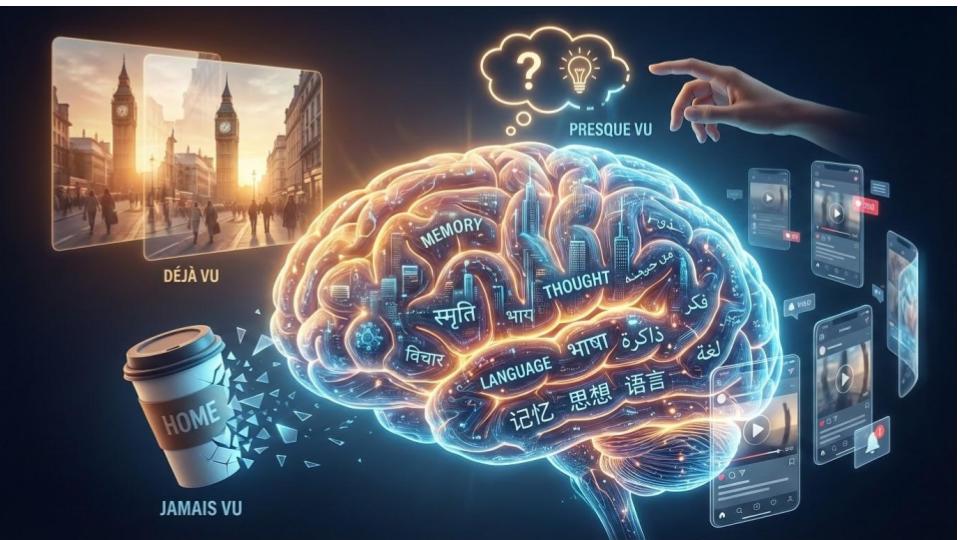
Déjà Vu, Jamais Vu, and Presque Vu: Why the Brain Glitches Like a Time Machine

The human brain prides itself on being a brilliantly efficient machine—until it suddenly behaves like a confused intern hitting repeat, refresh, or loading for no reason. Among these fascinating cognitive hiccups are déjà vu, jamais vu, and presque vu. Each of them bends our sense of time, memory, and recognition just enough to make us

Déjà Vu, Jamais Vu, and Presque Vu: Why the Brain Glitches Like a Time Machine Read More »

 The Mind’s Mirage: Pseudo-Hallucinations 

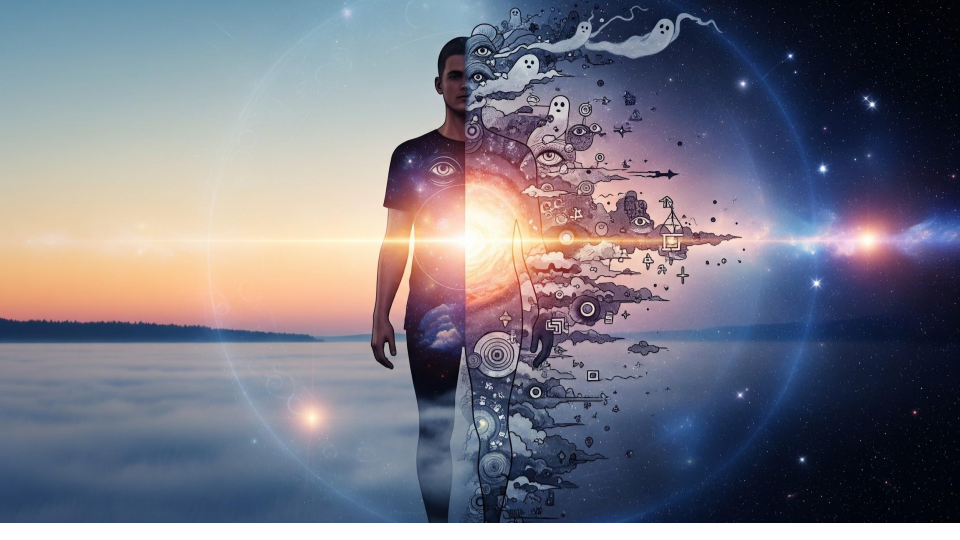
Key focus: Not quite real, not quite fake: Pseudo-hallucinations blur imagination and perceptionwhile awareness stays intact. Culture calls the shots: Beliefs and traditions shape these mind-tricks into visions. A playground for creativity: Artists often turn these mental “pop-ups” into inspiration. Brains, dreams, and therapy: From brain shortcuts to sleep visions, therapy uses themfor insight and

 The Mind’s Mirage: Pseudo-Hallucinations  Read More »