
Key Focus:
- When prostaglandins surge, pain takes center stage — cramps aren’t weakness, they’re biology calling for balance.
- A period that silences work, study, or social life isn’t “normal” — it’s your body’s SOS, not a monthly inconvenience.
- Secondary dysmenorrhea whispers louder each month — behind worsening pain may lie endometriosis, fibroids, or another hidden culprit.
- Breaking the taboo breaks the cycle of neglect — acknowledging menstrual pain is the first prescription toward relief and dignity.
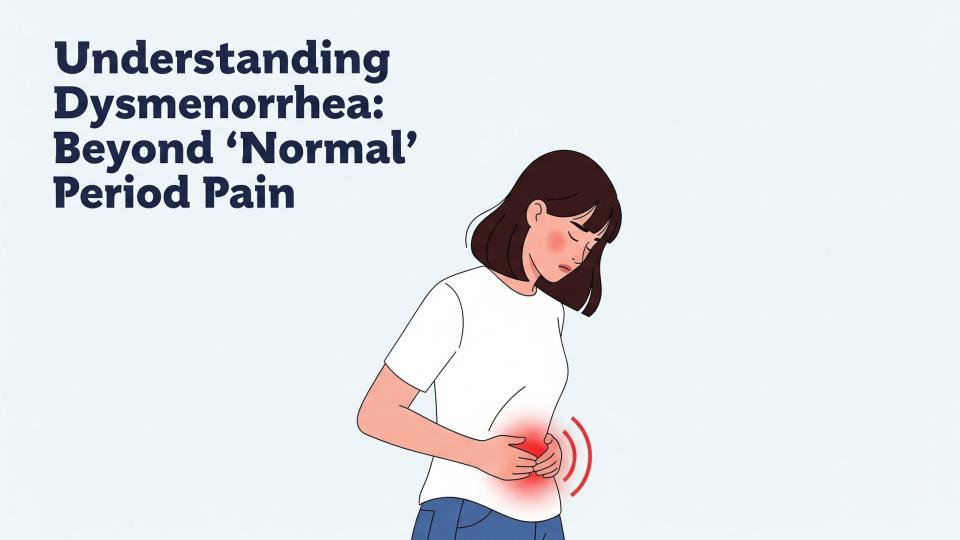
Menstruation is a natural biological process, yet for many women, it is accompanied by significant pain that interferes with daily life. This condition, known as dysmenorrhea, is one of the most common gynecological concerns worldwide. Despite its prevalence, it is often minimized or dismissed as “normal period pain,” leading many women to suffer in silence. Understanding dysmenorrhea is essential not only for improving quality of life but also for identifying when pain may signal an underlying disorder.
Dysmenorrhea is broadly classified into primary and secondary types. Primary dysmenorrhea typically begins in adolescence, usually within a year or two of menarche. It is caused by elevated levels of prostaglandins, hormone-like chemicals that trigger strong uterine contractions during menstruation. Excessive prostaglandin activity reduces blood flow and oxygen delivery to the uterine tissue, producing cramping pain that may radiate to the lower back and thighs. This pain is often accompanied by nausea, diarrhea, headaches, or fatigue.
Secondary dysmenorrhea, in contrast, is associated with underlying pelvic pathology. Conditions such as endometriosis, uterine fibroids, adenomyosis, and pelvic inflammatory disease are common culprits. Unlike primary dysmenorrhea, which often improves with age or after childbirth, secondary dysmenorrhea tends to worsen over time and requires careful evaluation. The onset of painful periods later in life, especially when coupled with heavy bleeding or pain during intercourse, should raise clinical suspicion.
The burden of dysmenorrhea is far-reaching. Research shows that it is one of the leading causes of recurrent absenteeism from school and work among young women, affecting both productivity and psychological well-being. Beyond physical pain, it contributes to mood changes, sleep disturbances, and social withdrawal, underscoring its broader impact on women’s health and quality of life.
Several risk factors increase the likelihood of dysmenorrhea, including early onset of menstruation, prolonged or heavy bleeding, a family history of menstrual pain, and lifestyle factors such as smoking or high stress levels. However, dysmenorrhea can affect women across all demographics, highlighting the importance of prompt recognition and clinical evaluation.
Importantly, dysmenorrhea should not be dismissed as a routine part of menstruation. Severe, persistent, or progressively worsening pain may be a signal of underlying gynecological disease and warrants medical attention. By fostering open dialogue around menstrual health and encouraging women to seek prompt care, we can move toward reducing the stigma surrounding menstruation and ensuring better outcomes for those affected.
Very Informative