
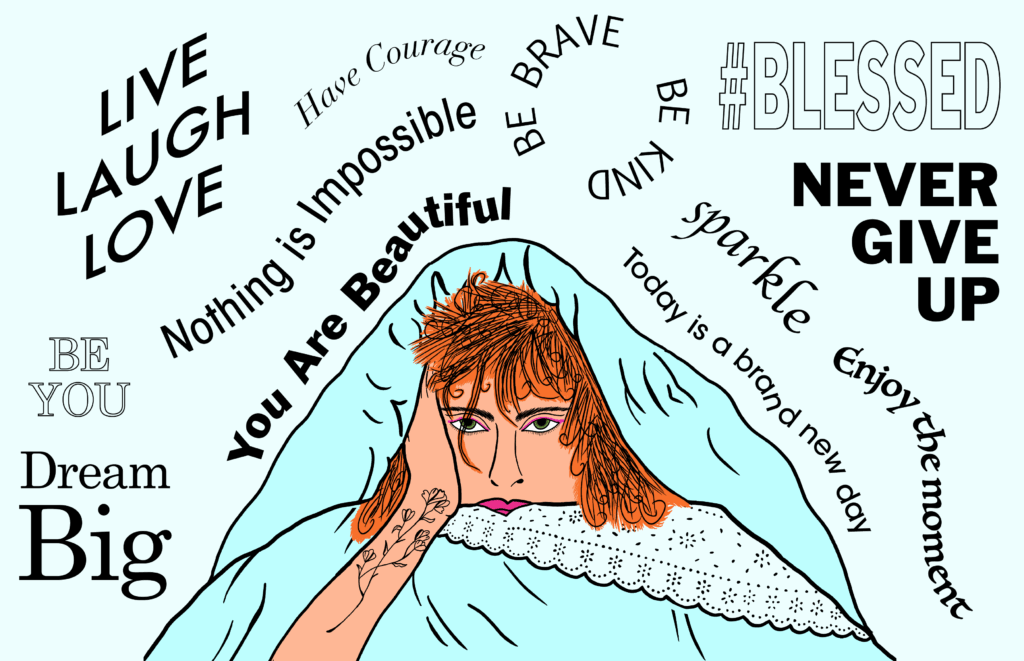
Key Focus:
- Unrealistic positivity can invalidate real struggles in recovery.
- Recovery needs space for every emotion, not just the “good” ones.
- Constant cheerfulness can lead to shame and isolation.
- Honest support and emotional safety encourage genuine healing.
Recovery isn’t all sunshine and mantras. Sometimes it’s messy, frustrating, and overwhelming, and that’s exactly how it’s meant to feel. But somewhere along the way, we started sending the message that if you’re not smiling through it, you’re doing something wrong.
“Just be positive.”
“Everything happens for a reason.”
If you’ve ever walked the path of recovery from addiction, trauma, grief, or mental health struggles, you’ve likely heard these phrases. On the surface, they sound kind or encouraging. But when you’re in the depths of struggle, they can feel dismissive. Like being handed a smiley face sticker when your world is falling apart.
Is Positivity the Problem?
Not at all. Real positivity, the kind rooted in hope, resilience, and self-belief, can be incredibly grounding. But when positivity is used to bypass pain or deny real emotions, it becomes performative. It demands a smile when what you really need is a safe space to cry.
Imagine saying to someone who just relapsed, “At least you’re alive!”
Or to someone in withdrawal, “But you’ve come so far!”
Or to someone in deep despair, “Be grateful for what you have.”
These responses, though well-intentioned, often feel more like a dismissal than support. They create distance, not connection.
The Truth About Recovery
Recovery isn’t a straight line. Some days feel strong and steady; others are raw, painful, or uncertain. The process includes both growth and grief, hope and heaviness.
When we push constant positivity, we unknowingly teach people that it’s not okay to struggle, even though struggle is an essential part of healing. We begin to shame people for feeling what they need to feel: sadness, anger, guilt, fear, or loneliness.
“I started to feel like a failure just for being sad,” said one recovering client. “Like if I wasn’t grateful all the time, I was doing recovery wrong.”
But the truth is, this isn’t failure. This is a feeling. And feeling is part of healing.
What People in Recovery Need
People in recovery don’t need surface-level cheerfulness they need permission to be real.
Because recovery isn’t about pretending to be okay. It’s about learning to sit with what’s hard, face it honestly, and still choose to move forward even if that step is unsteady.
We need:
- Honest conversations where pain can be named.
- Safe spaces where relapse, regret, and vulnerability aren’t shamed.
- Compassion over correction
Recovery isn’t about staying endlessly upbeat, it’s about being authentic. It’s about walking through the darkness, allowing yourself to feel deeply, and still showing up for your own healing, again and again. Let’s stop expecting people to perform strength through forced smiles. Instead, let’s create a culture of recovery where truth is welcomed, pain is witnessed, and healing doesn’t have to look perfect to be real.
- admin
- July 6, 2025
- 5:03 am
- One Comment
Thank you for the information dr.saab,
It was useful,