mental health

 The Mind’s Mirage: Pseudo-Hallucinations 

Key focus: Not quite real, not quite fake: Pseudo-hallucinations blur imagination and perceptionwhile awareness stays intact. Culture calls the shots: Beliefs and traditions shape these mind-tricks into visions. A playground for creativity: Artists often turn these mental “pop-ups” into inspiration. Brains, dreams, and therapy: From brain shortcuts to sleep visions, therapy uses themfor insight and […]

 The Mind’s Mirage: Pseudo-Hallucinations  Read More »

 Therapy: Not Just Crying on a Couch and Paying for It 

Key focus: Therapy sparks insight by helping clients connect present struggles to deeper patterns from the past. Emotional processing in therapy creates a safe space to finally feel and express long-buried emotions. Clients gain practical tools that build long-term resilience, not just short-term relief. Cognitive restructuring transforms self-criticism into self-compassion through guided thought shifts. Let’s

 Therapy: Not Just Crying on a Couch and Paying for It  Read More »

 When the Calendar Ignores You: Amenorrhea

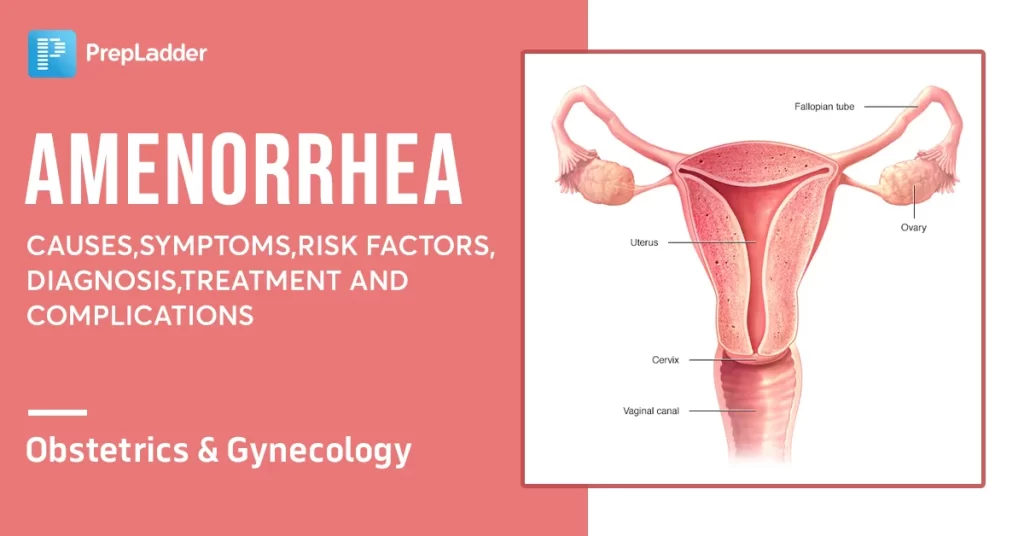
Key focus: When stress hijacks the hormones, your period clocks out — emotional burnout isn’t just in your mind, it’s on your menstrual calendar as well. Abs of steel don’t always mean cycles of gold — amenorrhea in athletes is often a high-functioning body’s low-battery signal. Perfectionism, anxiety, and control issues can quietly reroute hormones

 When the Calendar Ignores You: Amenorrhea Read More »

The Psychology of Ghosting: Why We Disappear and How It Hurts

Ever sent a message and never got a reply? That empty silence, that unanswered text—it’s called ghosting. It’s more than just being ignored; it’s a form of emotional vanishing that can leave deep psychological marks. While ghosting might seem like a product of modern digital life, its roots go deeper into human behavior and emotional

The Psychology of Ghosting: Why We Disappear and How It Hurts Read More »

Aphasia: When Words Take a Detour but Expression Finds a Way

Key Focus: Aphasia affects language, not intelligence. Creativity shines through gestures, drawings, and expressions. Struggles are real and deserve empathy, not pity. Family and speech therapy are the true translators of hope. Language, for most of us, flows like a river—smooth, spontaneous, and often taken for granted. But imagine a day when that current stops—not

Aphasia: When Words Take a Detour but Expression Finds a Way Read More »

The Link Between ADHD and Substance Use

Key takeaways People with ADHD are more vulnerable to early and problematic substance use due to core traits like impulsivity, emotional dysregulation, and difficulty with decision-making. Substance use is often a way to cope with unmanaged ADHD symptoms, especially in those who are undiagnosed or lack access to appropriate treatment. Timely diagnosis and integrated care

The Link Between ADHD and Substance Use Read More »

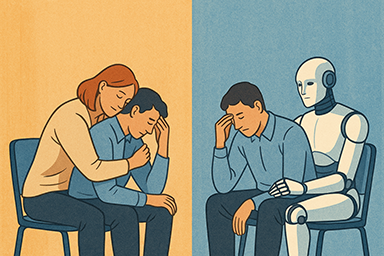
The Human Touch in Addiction Recovery: Can AI Replace Therapists?

At Ummeed Deaddiction and Rehab Center, we believe that healing is deeply personal. Addiction recovery isn’t just about breaking free from substances—it’s about rebuilding lives, restoring relationships, and rediscovering hope. In an era where artificial intelligence (AI) is transforming healthcare, a critical question arises: Can AI replace the human connection essential in addiction therapy? While AI offers

The Human Touch in Addiction Recovery: Can AI Replace Therapists? Read More »

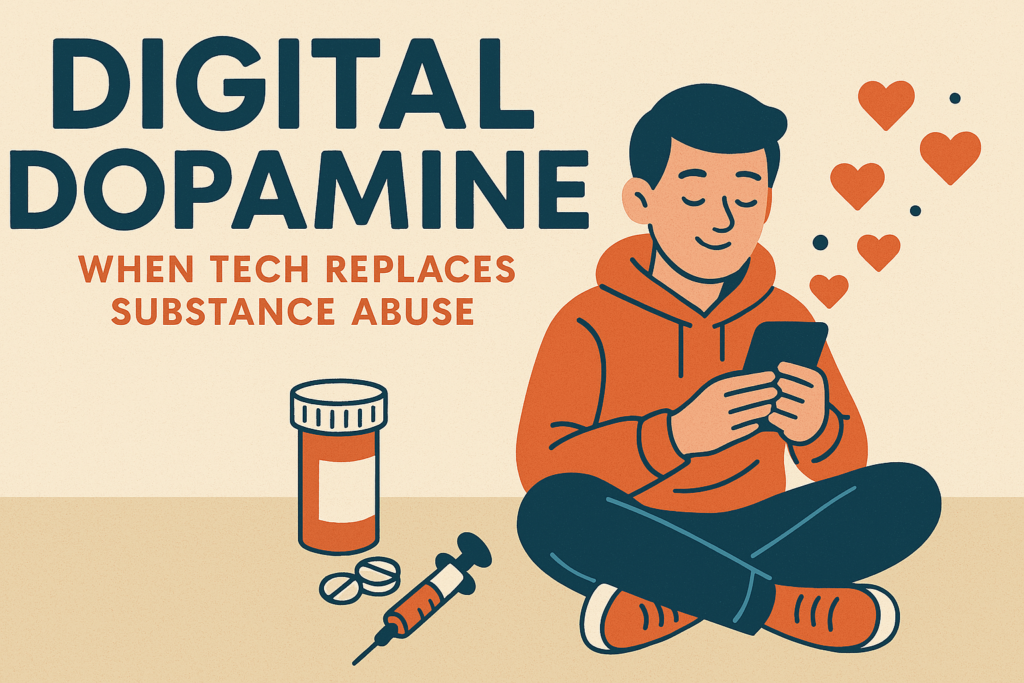
 Digital Dopamine: When Tech Replaces Substance Abuse 

Key focus: Sobriety often swaps substances for screens. Reels and binges bring sneaky dopamine fixes. Online comfort can block real emotional growth. Digital detox helps reclaim focus and connection. In the age where phones rarely leave hands and Wi-Fi feels like oxygen, sobriety has a surprising sidekick—screens. Recovery from substance use often swaps one high

 Digital Dopamine: When Tech Replaces Substance Abuse  Read More »