
admin

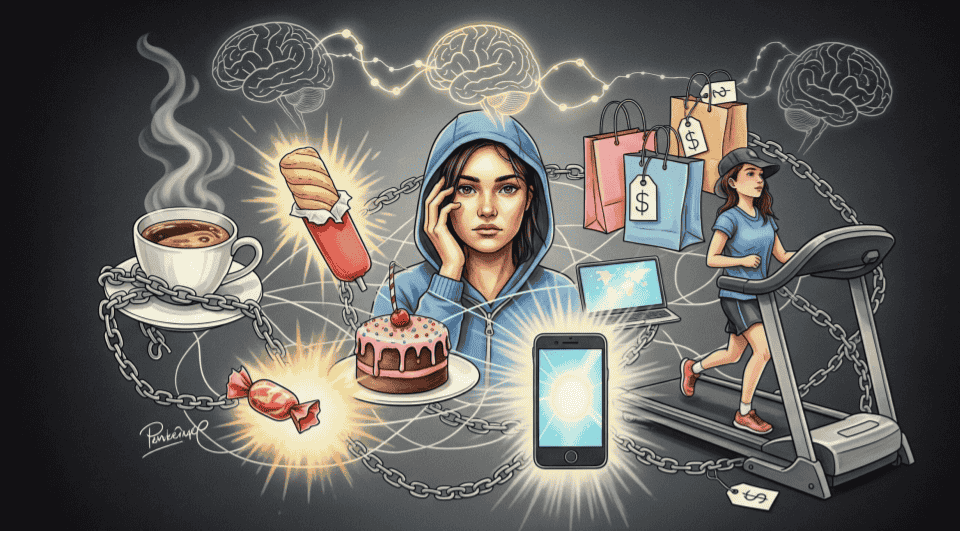
The Forgotten Addictions: Caffeine, Sugar, and others

Focus Points Addictions aren’t limited to alcohol or drugs, everyday habits like coffee, sugar, and screen time can also create hidden dependencies. Caffeine is the world’s most consumed psychoactive substance, and excessive use can lead to anxiety, insomnia, and withdrawal symptoms. Sugar activates the brain’s reward system like drugs, driving cravings and contributing to obesity,

The Forgotten Addictions: Caffeine, Sugar, and others Read More »

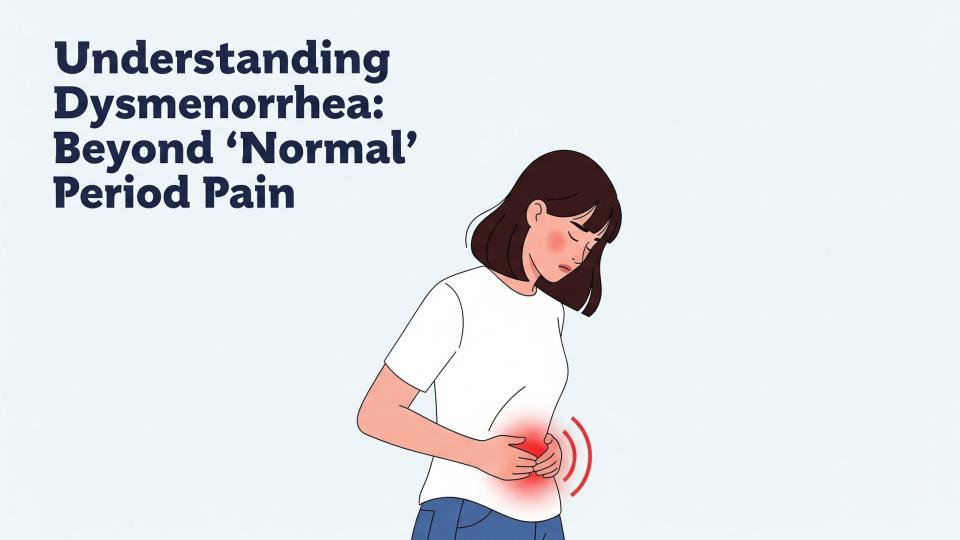
Understanding Dysmenorrhea: Beyond “Normal” Period Pain

Key Focus: When prostaglandins surge, pain takes center stage — cramps aren’t weakness, they’re biology calling for balance. A period that silences work, study, or social life isn’t “normal” — it’s your body’s SOS, not a monthly inconvenience. Secondary dysmenorrhea whispers louder each month — behind worsening pain may lie endometriosis, fibroids, or another hidden

Understanding Dysmenorrhea: Beyond “Normal” Period Pain Read More »

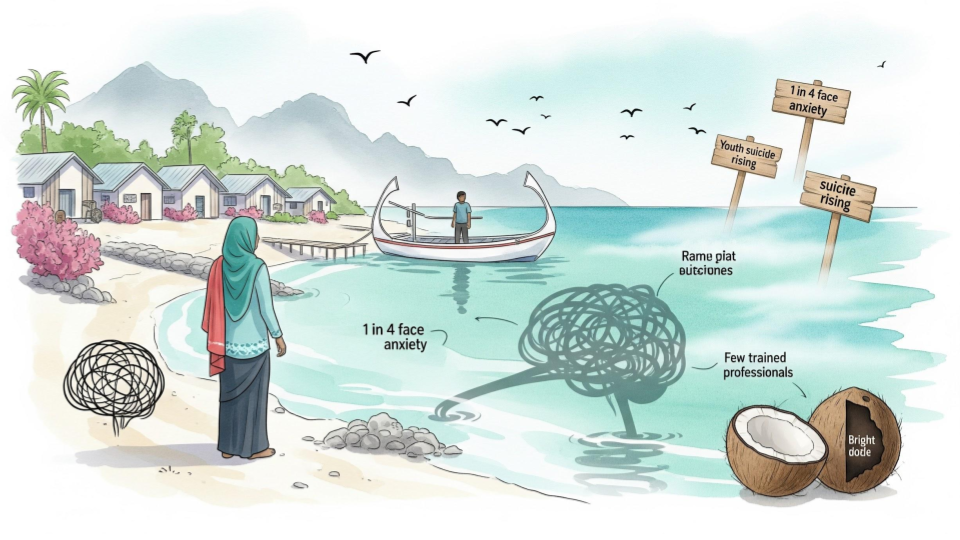
Understanding Mental Health in the Maldives: 3 Common Illnesses and How to Get Help

Depression What It Is: Depression is more than just feeling sad—it’s a persistent state of emotional heaviness that can affect one’s thoughts, actions, and relationships. Common Symptoms: Persistent sadness or emptiness Withdrawal from friends and activities Low energy and fatigue Feelings of hopelessness or worthlessness   Contributing Factors: Lack of mental health education   Pressure

Understanding Mental Health in the Maldives: 3 Common Illnesses and How to Get Help Read More »

 “I Swear The Phone Just Buzzed”- Phantom Vibration Syndrome 

Key focus: Is the brain tricking you into feeling a phone vibration that never happened. Constant phone use may rewire your brain to expect alerts from the tiniest twitch ortouch. Though not a diagnosis, PVS signals rising tech stress, sleep issues, and FOMO. Cutting screen time and alerts is key—your peace deserves fewer pings. Have

 “I Swear The Phone Just Buzzed”- Phantom Vibration Syndrome  Read More »

 The Mind’s Mirage: Pseudo-Hallucinations 

Key focus: Not quite real, not quite fake: Pseudo-hallucinations blur imagination and perceptionwhile awareness stays intact. Culture calls the shots: Beliefs and traditions shape these mind-tricks into visions. A playground for creativity: Artists often turn these mental “pop-ups” into inspiration. Brains, dreams, and therapy: From brain shortcuts to sleep visions, therapy uses themfor insight and

 The Mind’s Mirage: Pseudo-Hallucinations  Read More »

 Therapy: Not Just Crying on a Couch and Paying for It 

Key focus: Therapy sparks insight by helping clients connect present struggles to deeper patterns from the past. Emotional processing in therapy creates a safe space to finally feel and express long-buried emotions. Clients gain practical tools that build long-term resilience, not just short-term relief. Cognitive restructuring transforms self-criticism into self-compassion through guided thought shifts. Let’s

 Therapy: Not Just Crying on a Couch and Paying for It  Read More »

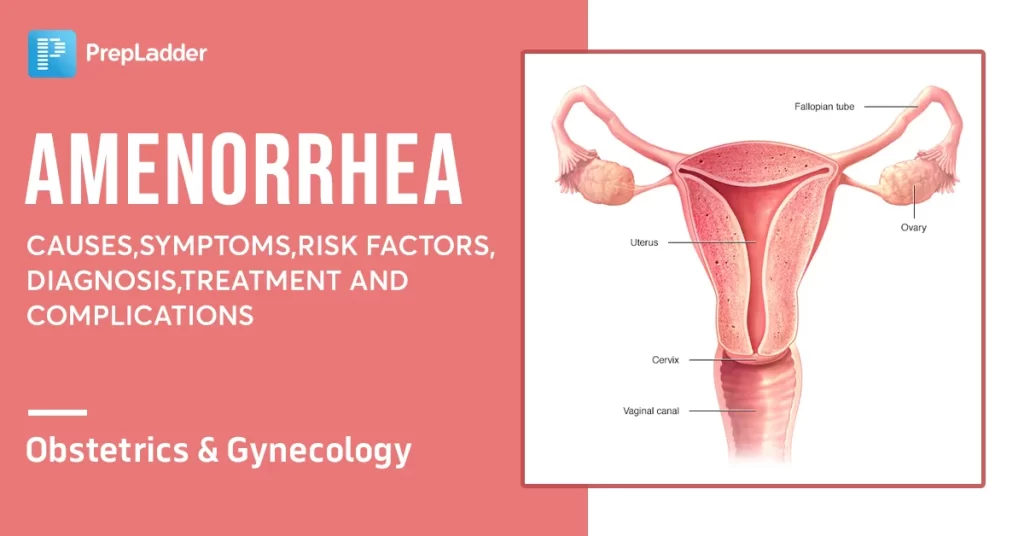
 When the Calendar Ignores You: Amenorrhea

Key focus: When stress hijacks the hormones, your period clocks out — emotional burnout isn’t just in your mind, it’s on your menstrual calendar as well. Abs of steel don’t always mean cycles of gold — amenorrhea in athletes is often a high-functioning body’s low-battery signal. Perfectionism, anxiety, and control issues can quietly reroute hormones

 When the Calendar Ignores You: Amenorrhea Read More »

The Psychology of Ghosting: Why We Disappear and How It Hurts

Ever sent a message and never got a reply? That empty silence, that unanswered text—it’s called ghosting. It’s more than just being ignored; it’s a form of emotional vanishing that can leave deep psychological marks. While ghosting might seem like a product of modern digital life, its roots go deeper into human behavior and emotional

The Psychology of Ghosting: Why We Disappear and How It Hurts Read More »

“Beyond the Smile: What Recovery Truly Needs”

Key Focus: Unrealistic positivity can invalidate real struggles in recovery. Recovery needs space for every emotion, not just the “good” ones. Constant cheerfulness can lead to shame and isolation. Honest support and emotional safety encourage genuine healing. Recovery isn’t all sunshine and mantras. Sometimes it’s messy, frustrating, and overwhelming, and that’s exactly how it’s meant

“Beyond the Smile: What Recovery Truly Needs” Read More »