
by Isha Khurana
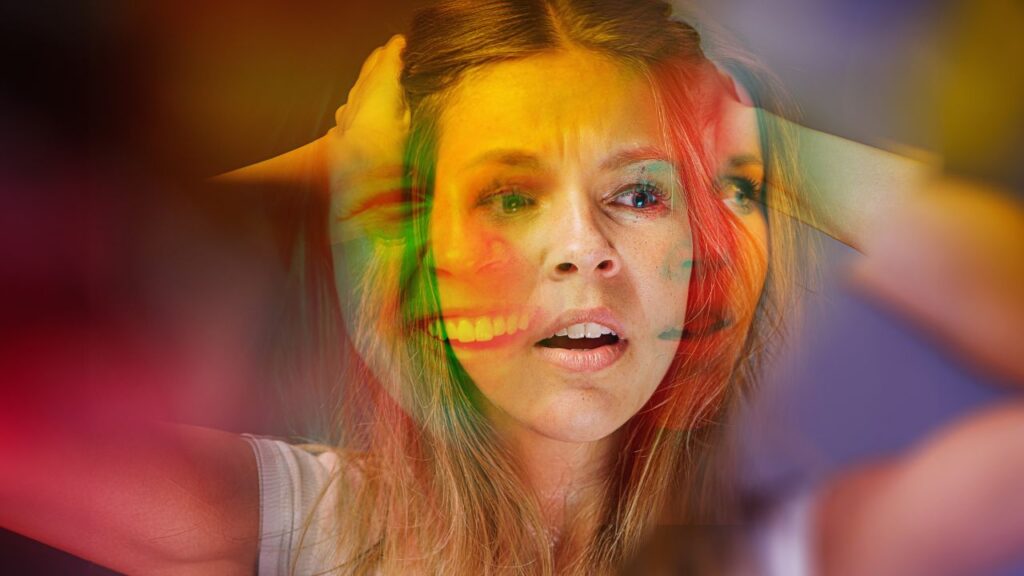
Imagine a seesaw, for it to be stable, there needs to be equal weight on both sides. To create movement, however, one pushes off the ground while the other rises up in the air. These rapid shifts in movement are similar to bipolar disorder – a mental illness characterized by intense mood swings. From periods of mania that bring a sense of euphoria and intense bouts of energy and productivity to incredibly low periods of depression.
Common Signs of Mania
- Highly inflated sense of self
- Talking quickly and rapidly shifting from one idea to the next
- Decreased need for sleep
- Engaging in impulsive and risky behaviour: Overspending, risky sexual activity, harming oneself and others, indulging in alcohol and illicit drugs, etc.
- May result in psychosis
Common Signs of Depression (with symptoms lasting nearly everyday for at least two weeks)
- Loss of interest in activities they previously enjoyed
- Poor concentration
- Hopelessness
- Suicidal tendencies
- Lack of energy
- Feelings of excessive guilt and low self-worth
These shifts from mania to depression may occur rarely or multiple times a year, with each bout lasting several days. Some may experience periods of emotional stability between episodes, while others may experience these shifts frequently, sometimes experiencing mania and depressive symptoms at the same time.
There are mainly two types of bipolar disorder depending on the pattern of depressive and manic/hypomanic episodes.
- Bipolar I: Experiencing one or more manic episodes interspaced with periods of depression that become more common over time.
- Bipolar II: Experiencing one or more hypomanic episodes (less severe than manic episodes) with at least one depressive episode. No history of manic episodes.
While the exact cause of bipolar disorder remains unknown, several biological, psychological, social and structural factors may contribute to its onset, trajectory and outcomes. It often causes significant difficulties in all aspects of life, including home, work and relationships.
Treatment
While there is no cure, bipolar disorder is very much treatable. The symptoms can be managed with a combination of medicines and psychological and psychosocial interventions. A long-term treatment plan designed as per the needs and preferences of the individual can help them function normally. In some cases, a healthcare provider may recommend an inpatient/outpatient programme, like the one we offer here at Ummeed. These settings help you stay safe, steady your mood and receive care from and among those who empathize with you.
With the right treatment, recovery is possible. Research has revealed that about 44% of individuals achieve sustained symptom remission, and 23% attain complete mental health through targeted treatments like mood stabilizers, antipsychotics, and psychotherapy.
Medicines
Several medicines are used to treat bipolar disorder. The type and dosage of the medication are prescribed as per your symptoms. Finding the right medicine takes trial and error. The goal is to find medicines that better your symptoms with the least bothersome side effects. The most common medications are:
- Mood Stabilizers (lithium, valproate, carbamazepine) help control manic or hypomanic episodes. They may also help during depressive bouts.
- Antipsychotics may be used by themselves or with mood stabilizers. Cariprazine, lurasidone, fluoxetine and olanzapine are some of the common antipsychotic medicines taken for bipolar.
- Anti-depressants prescribed alone may trigger a manic episode. They are typically taken with a mood stabilizer or antipsychotic medication to reduce symptoms.
Some medicines for bipolar disorder can make people feel sleepy, have involuntary muscle spasms or tremors, or experience metabolic changes (e.g., involving weight gain). These side effects can affect adherence to treatment and should be monitored and managed.
Psychological and psychosocial interventions
Psychotherapy is an important part of bipolar treatment. Several types of therapy may help, including:
- Cognitive Behavioural Therapy (CBT) focuses on identifying unhealthy negative beliefs and replacing them with positive beliefs and behaviours. It can help one discover their bipolar triggers and equip them with effective coping strategies.
- Interpersonal and social rhythm therapy focuses on stabilizing daily rhythms, including sleeping, walking and eating. A consistent routine helps manage moods.
- Psychoeducation or learning about bipolar disorder can help you and your loved ones understand and navigate the condition.
- Family-focused therapy can help strengthen family support that can help you stick to your treatment plan. It can help them stay calm during episodes and unexpected situations and manage warning signs of mood swings.
Recovery-orientated psychosocial interventions include providing employment, housing, social and life-skills training. These efforts aim to empower individuals to become independent and function effectively in society. Seeking professional help isn’t something to be ashamed of; rather, it is empowering, for it allows individuals to regain their autonomy and self-confidence.
Representation in media
Lexi Donhoe in Modern Love (Episode 3: Take me as I am, Whoever I am), played by Anne Hathaway, has suffered from bipolar II since the age of 15, where her mood alternates between depression and hypomania, exploring the impact that it has on her work and relationships. She keeps her loved ones “blissfully unaware with excuses, only showing up when she is sure to impress”.
She hides her struggles with mental health under the image of a lawyer, often trying to cover up for her absenteeism at work, never feeling confident enough to admit the real reason. In a society that values productivity even when you might be crumbling from the inside, she uses her manic highs to make up for the days she wasn’t able to physically pull herself out of bed.
Her life changes when she meets Jeff in the fruits and vegetables aisle early in the morning at the supermarket, sorting through a heap of peaches. Jeff, dazzled by her energy, offers to take her out next week until she decides. How about now?. The reason is simple: she doesn’t know how she will feel tomorrow.

Not to her surprise, she is coming off of her mania and spirals into a low. Her main trigger is presented to be her fear of not being accepted for her condition. Still in a low, she meets Jeff out of an obligation, unshowered and deflated – a far cry from her vivacious self he met. She never allows herself to tell him about her bipolar, wondering whether there is any person out there “who will accept the two people in her”?

Her constant comparison with Rita Hayworth – Hollywood’s most glamorous actress mirrors her own insecurities. She is perceived to be perfect by those around her, not knowing that it’s all a facade. A mask that she puts on to hide the gloom and her imperfect self. This pressure to show that ‘she is fine’ prevents her from being honest about her condition.
There are moments where she begs out loud for her mind and body not to give up on her – until she lies in bed, turning off all the lights as the darkness fully consumes her. Still experiencing a low, she goes to work only to find that she has been fired. This makes sure that something as serious as bipolar disorder isn’t glorified – it authentically depicts the struggles of living with a mental illness instead of showing them being able to function as usual.
The final scene leaves the audience with a glimmer of hope and a strong message. When Lexi unwillingly accompanies her colleague for coffee, it becomes a poignant moment for her as she finally feels confident and safe enough to open up to someone about her condition. She describes it as ‘like an elephant lifting one of its feet off her chest’. It was after this moment that she no longer attaches the fear of judgement to her condition.
She acknowledges the power of trusting someone with our vulnerabilities and how seeking professional help (psychotherapy, cognitive behavioural therapy, drug therapy, electroshock therapy and medication) has turned her life around. It was a long process of trying to find the right doctor and just the right dose until she felt ready to be unapologetically herself.

Mental health continues to be a taboo – with those struggling perceived as broken and different from the norm and, hence, not good enough for society. More often than not mental illness can render us physically and emotionally incapable of living up to the expectations of society; a lack of understanding, therefore, forces us to be ashamed of who we truly are instead of embracing the chemical imbalance in our brain. The truth is that creating a supportive environment is important to healing and self-acceptance. It is a cathartic experience to share your full story: the good and the bad. After all, can you really just share one part of yourself with someone?