
by Isha Khurana
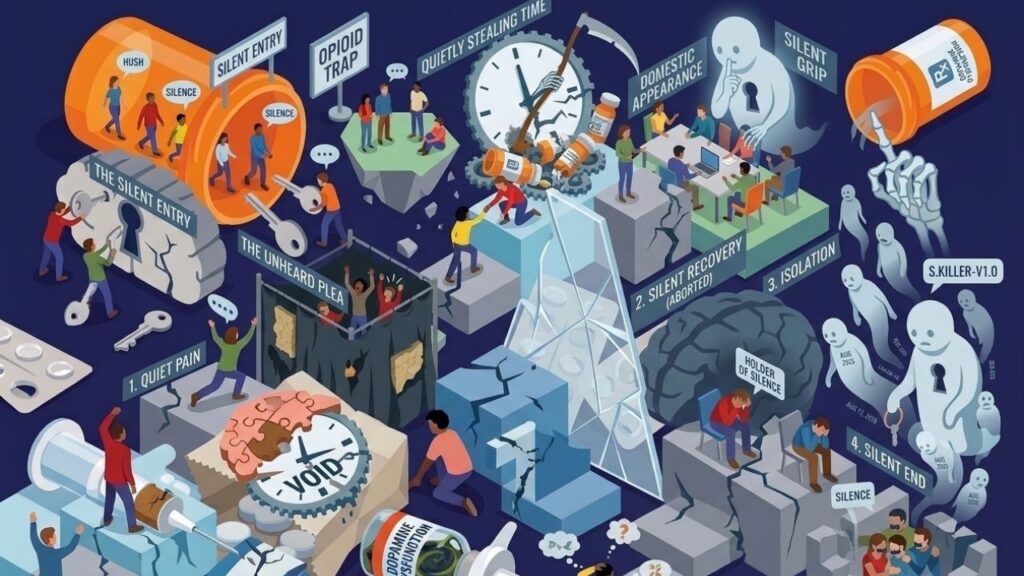
Opioids are a class of drugs extracted from the opium poppy plant (Papaver somniferum) as well as synthetic and semi-synthetic compounds with similar properties that activate the opioid receptors in the brain.
Opioid receptors are found in parts of the brain and control important bodily functions upon activation. This includes pain, breathing, intestinal function, and even the size of the pupils. Prolonged use can depress the central nervous system, slowing down messages between the brain and the body.
Opioid receptors cannot distinguish between opioids produced by the body, such as endorphins; opioids produced by plants – heroin, morphine, and codeine from the opium poppy or mitragynine from kratom (opiates); and synthetic opioids created in a laboratory – fentanyl and loperamide. While the terms ‘opioids’ and ‘opiates’ are used interchangeably, opiates refers to natural compounds while opioids include both natural and synthetic compounds created in a lab.
The main differences between natural and synthetic opioids are in 1) how strongly they activate the opioid receptors and 2) how long they remain active in the body. For example, heroin is twice as strong as morphine, while fentanyl is 50 times more potent than heroin, and its effects can last for hours.
Fentanyl is on the WHO Model List of Essential Medicine, and its pharmaceutical use is permitted to manage severe pain or for emergency sedation. However, its prolonged use has been linked to the rise in deaths from opioid overdose. Evidence has revealed that drug dealers might be using fentanyl to increase the potency of their products, selling fentanyl as counterfeit tablets that look like authentic prescription medications.
Illegally made fentanyl may be mixed with other drugs such as heroin, cocaine, methamphetamine, etc. that affects the properties of fentanyl and thereby the experience of the individual exposed to it. The addition of other substances to fentanyl can make it more dangerous, as patients who overdose on these mixes often become resistant to emergency opioid overdose treatments.
Prescription opioids are commonly used to treat acute pain, chronic pain from an injury or surgery, cancer-related pain, palliative care, and end-of-life care. Less potent opioids can also be used as cough suppressants and to treat diarrhoea.
Opioid-based medication comes in many forms, such as skin patches, sublingual (under the tongue) patches, injectables, capsules, syrups, crystalline powders that dissolve in water, etc. Some naturally produced opioids prescribed for medical use are oxycodone, morphine, and codeine. While methadone, fentanyl and tramadol are synthetic opioids approved for medical use.
Since opioids act on all opioid receptors in the body when used to relieve pain, it can have lasting effects such as:
- physical and psychological dependence on opioids
- heightened sensitivity to pain (opioid-induced hyperalgesia)
- reduced bone density
- increased risk of infertility
- vein damage from injecting
Some immediate effects of opioids can include:
- pain relief
- feelings of comfort, euphoria, contentment and detachment
- drowsiness
- slowed breathing and heartbeat
- slurred and slow speech
- confusion
- sweating
- nausea and vomiting
- itching
- aching muscles and joints
- dry mouth
- tiny pupils
- reduced appetite
- abdominal cramps
Opioid Overdose
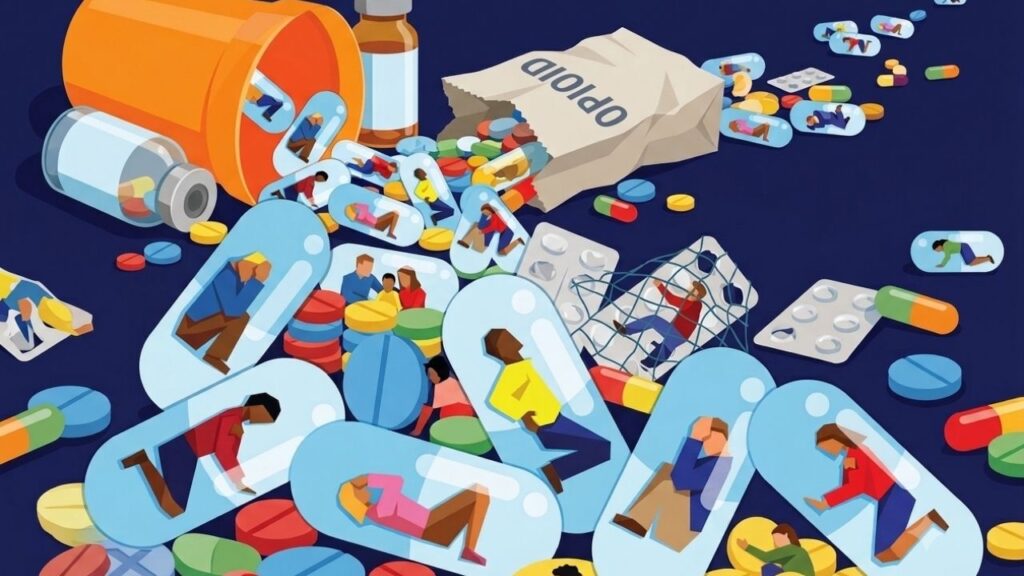
The frequency of opioid overdose has seen a significant increase in several parts of the world in the last few years. This could be attributed in part to the increased availability of opioids as pain medication and also to the increasing use of highly potent opioids that are appearing in the drug market.
The United States continues to rank highest in the world for opioid overdose deaths. As per provisional data, the Centres for Disease Control and Prevention (CDC) estimates nearly 87,000 drug overdose deaths as of September 2024. The problem is not limited to the US alone, opioid dependence is on the rise locally too. Tapentadol, another potent opioid, has been approved by the Central Drug Standard Control Organisation for the treatment of moderate to acute pain; however, using it beyond the recommended dose can have lasting impacts. Oftentimes the tablets are dissolved in distilled water and injected. The sharing of needles or even dipping them in the same container can cause the spread of the Hepatitis C virus.
Skin popping is a method of injecting illicit drugs, especially cocaine, opiates, and barbiturates, into the skin to achieve slower absorption, decreased risk of overdose, and easier administration than with intravenous drug use. The most common complications of skin popping are bacterial infections, including abscesses and cellulitis. As a result, the skin becomes intensely red, hot to touch and swollen. If left untreated, it can develop into necrotizing fasciitis (flesh-eating infection) marked by rapid blackening of the skin and intense pain.
When the mixture is injected under the skin or into the muscle, it puts pressure on the surrounding capillaries. Since the tissue cannot absorb the pill fillers (microcrystalline cellulose), it may cause the injected area to lose its blood supply, causing the skin to die, leaving a hole.
Chronic complications include scars, hyperpigmentation, and necrosis of the digits (tissue death in fingers and toes), which typically occurs when vasoconstrictive substances (like cocaine) are accidentally injected into small arteries, blocking blood flow. The affected skin turns pale, cold, then dark brown or black. Intravenous misuse causes severe blood vessel inflammation, blood clots, and poor circulation that can threaten fingers or limbs.
Opioid use above the safe maximum level can cause death due to its effects on the part of the brain which regulates breathing. Persistent use slows down breathing, reducing the flow of oxygen to the brain, which is necessary for survival.
Three common signs that indicate an opioid overdose are the following:
- pinpoint pupils
- difficulty breathing
- unconsciousness
Risk factors for opioid overdose
- using prescription opioids without medical supervision
- relapse after an extended period of abstinence (e.g., detoxification, release from incarceration, cessation of treatment)
- high prescribed dosage of opioids
- using opioids with alcohol and/or other substances or medicines that restrict respiratory function such as benzodiazepines, barbiturates, anaesthetics or some pain medication
- presence of other medical conditions such as HIV, liver disease, lung disease and other mental health conditions
- having an opioid use disorder
- Injecting opioids
Treatment
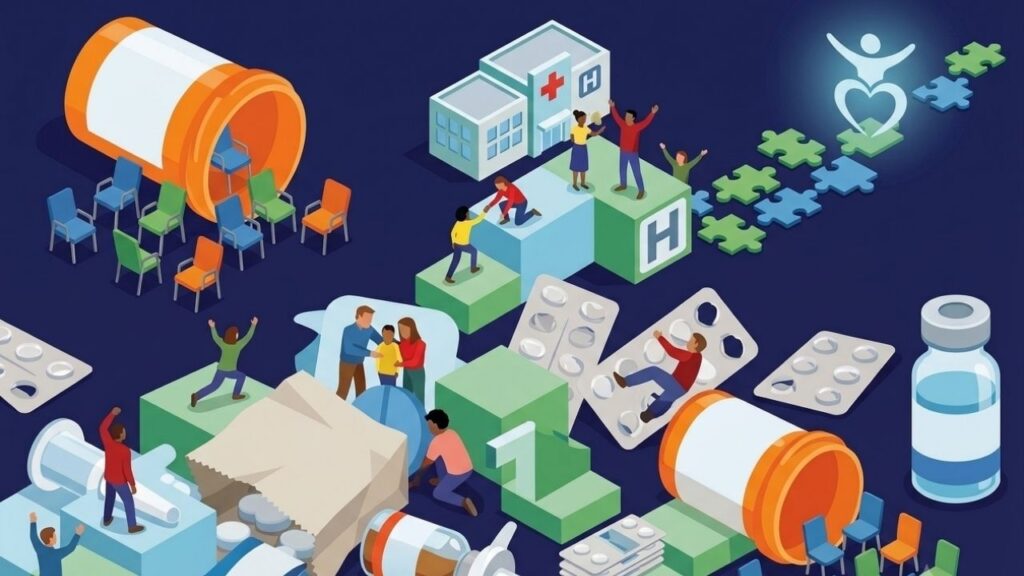
Evidence-based approaches to treating opioid use disorder include a combination of medication (MOUD) and behavioural therapy. Medication is used to relieve cravings, prevent withdrawal symptoms and block the “high” from illicit opioids. Overall, the goal of treatment is to restore psychosocial functioning and reduce opioid dependence for the individual. Patients who receive timely medical intervention are able to function normally in everyday life and have a lower risk of overdose death.
Three U.S. Food and Drug Administration (FDA)-approved medications used to treat opioid use disorder are the following:
- Naltrexone: Naloxone is an antidote to opioid overdose. It is an opioid receptor blocker that reduces cravings by diminishing the effects of opioids. It blocks the feelings of euphoria triggered by opioid use. It is taken as a monthly intramuscular injection in treatment for opioid use disorder and as daily tablets for alcohol use disorder.
- Methadone: It fully activates the opioid receptors. It is a lasting opioid which reduces withdrawal symptoms and cravings between doses. It does not cause a euphoric feeling once tolerance develops to its effects.
- Buprenorphine: It only partially activates the opioid receptors and binds to them more strongly than most opioids. This allows it to restrict the effects of other opioids, displace any opioids that might already present in the patient’s body, and eliminate withdrawal symptoms and cravings.
Therapeutic techniques and behavioural approaches have also been effective for addiction treatment. These include motivation interviewing, psychoeducation about substance abuse, treatment and relapse prevention. Recovery support services such as mutual aid groups, peer support groups and community services help the patients feel alone during the time of treatment.
Opioid use disorder requires consistent care for treatment to be effective. These approaches have been successful in reducing opioid use, preventing overdose, and mitigating the risks associated with opioid use disorder.
Long-term psychological effects of opioid use
- Opioid Use Disorder
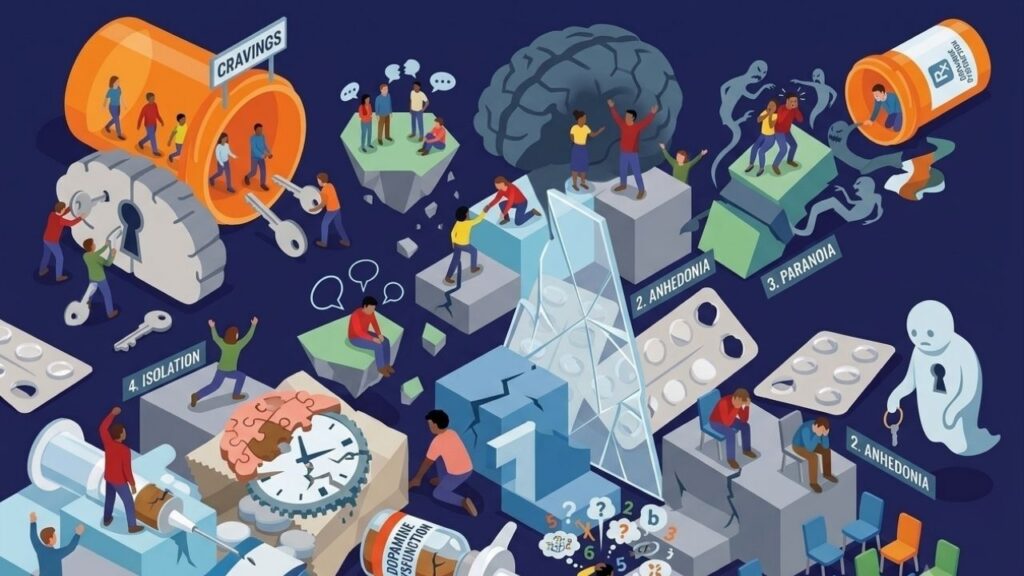
Opioid use disorder is a chronic condition that is characterized by an overpowering desire to take opioids despite its negative effects. Persistent use increases opioid tolerance and often results in intense withdrawal symptoms upon abstinence. Thus, OUD can range from dependence on opioids to addiction.
Opioids trigger the release of endorphins. This neurotransmitter reduces one’s perception of pain, creating feelings of euphoria. These heightened emotions and feelings often wear off after use. A strong desire to stay with that feeling of happiness often leads people to continue using.
Opioid use over a long period of time can also increase the risk of physical dependence on the drug. When the body becomes used to the substance, it doesn’t know how to function without it. This triggers a series of strong withdrawal symptoms, such as a fever and sudden chills, nausea and vomiting and intense cravings.
Dependence can begin to set in 4-8 weeks after using an opioid. Healthcare providers must closely monitor patients to whom they have prescribed opioids to avoid the risk of dependence.
Signs and Symptoms
- taking larger amounts of opioids or using over a longer period than prescribed
- a strong urge to use opioids
- unsuccessful efforts to stop or cut down use
- spending a lot of time getting, using and then recovering from the effects of opioid use
- having issues fulfilling responsibilities at work, school or home
- continuing use despite physical and psychological problems that might be caused by or are likely to worsen with continued use
Causes
- Access to opioids: Those who have been prescribed opioids for medical intervention are at much higher risk of OUD than others. It might also happen with non-prescription substances like heroin.
- Childhood trauma: Experiences of abuse, neglect, difficult relationships, domestic violence or untreated mental health disorders during childhood also increase the likelihood of having OUD in the future.
- Chronic pain: Since opioids are also prescribed as pain medication, having physical health conditions such as chronic pain can lead to opioid use and eventual dependence.
- Mental health conditions: Those with comorbid mental health conditions such as bipolar, depression, anxiety, and PTSD are more likely to have more severe OUD, psychosocial problems and physical health issues.
This is a serious medical condition with adverse consequences if help is not sought in time. This includes disability, relapse and even death.
- Anxiety Disorders
OUD and anxiety co-occur at strikingly high rates. This comorbidity leads to a far more severe clinical presentation and poorer prognosis for treatment. This comorbidity is often a result of an early onset of opioid use, a rapid transition from use to OUD, discontinuation of substance use treatment, and a higher risk of misusing other substances. Furthermore, anxiety vulnerability may play a key role in the onset and maintenance of OUD, or even opioid misuse could exacerbate the development of anxiety.
Research reveals that the presence of anxiety-related symptoms negatively affects the course of medicine-assisted treatment. Individuals experiencing anxiety during the initiation of treatment are more likely to relapse or discontinue treatment.
The psychological factors underlying this link are:
Distress intolerance: It is the perceived or actual ability to handle unpleasant emotional and physical states. A subset of distress intolerance is anxiety sensitivity. It refers to the tendency to fear anxiety and related physical sensations due to the belief that these somatic sensations have negative physical and mental or even social consequences.
This may enhance the perceived resistance towards a particular emotional or somatic state, increasing the desire to avoid one’s feelings and the physical effects they may have. Anxiety sensitivity has also been shown to be related to fear of opioid withdrawal and greater subjective withdrawal severity.
Therefore, anxiety sensitivity can be an explanation for the co-occurrence of opioid use and anxiety-related symptoms.
Pain Anxiety: It reflects worry about the negative consequences of pain. This leads to avoidance of activities which one may think are more likely to worsen their pain. Over time avoidance can lead to problems such as reduced physical fitness, weight gain, low mood and difficulty maintaining social relationships.
This creates a vicious cycle: the lack of activity can actually make the pain worse and can cause many related problems, which can trigger your pain anxiety even more. As a result, people become even more convinced that pain is dangerous and continue avoiding activities.
Heightened levels of pain and anxiety are also linked to unhealthy coping mechanisms such as substance abuse, with opioids being one of them.
- Bipolar Disorder
Opiates can significantly increase the severity and frequency of mood swings linked to bipolar disorder. The depressant effects of opiates can worsen and sometimes even prolong the depressive phases, while their intoxicating effects can trigger an intense manic/hypomanic reaction characterized by increased impulsivity and risky behaviour.
Both bipolar disorder and opiate use independently impair cognitive function. Their co-occurrence can compound these effects, leading to the following:
- Poor decision-making and judgement
- Reduced concentration and difficulty processing information
- Memory problems.
Opioid dependence along with bipolar disorder can pose challenges for diagnosis and treatment for each condition. Symptoms for one can mimic or mask the symptoms of the other, leading to the following:
- Under-treatment of bipolar symptoms because the signs are mistaken for typical drug use behaviour
- Overlooking opiate dependence because symptoms are attributed to bipolar disorder.
An integrated treatment approach is vital for recovery of both conditions. It addresses both conditions simultaneously, recognizing that each can influence the course and recovery of the other. Such approaches offer better outcomes than dealing with one condition at a time. These programs typically combine medication with psychotherapy and community support groups for well-rounded care.
- Borderline Personality Disorder
Individuals struggling with intense symptoms of BPD are more likely to engage in opioid misuse. These include misuse of prescription opioids, stronger cravings and greater concerns about their opioid use.
Opioid misuse often functions as a form of self-medication and emotional regulation among people with BPD.
Chronic pain conditions such as back pain, fibromyalgia, and osteoarthritis contribute to higher use of prescription opioids among individuals with BPD, which over a long period of time may lead to strong physical dependence on the drug.
Due to signs of impulsivity, depression and suicidality among people with borderline personality disorder, long-term opioid treatment must be suggested with caution to prevent the risk of medication misuse and accidental overdose.
In conclusion, people with opioid use report higher psychiatric comorbidities. It can often be hard to identify which came first – the substance abuse or the mental illness. Here at Umeed Rehabilitation and Deaddiction Centre we offer comprehensive diagnostic evaluation for a range of psychiatric conditions that might underlie substance abuse disorders or otherwise. Patients are offered a personalized treatment plan that combines behavioural interventions with medication. Our support continues long after the inpatient treatment is over through regular follow-ups and long-term outpatient care.
Take the first steps towards healing today with Ummeed Deaddiction and Rehabilitation Centre. We’d love to be a small part of your healing journey.
Very Informative